Born in the Stars: The Cosmic Origins of Gold
Follow the epic journey of gold from the heart of exploding stars to the depths of our own planet.
A Treasure from Space
- Gold is an alien visitor
- A billion-year cosmic trip
Look at a gold coin or a piece of jewelry. It feels like a natural part of our world, but Earth could never actually create something like this on its own.
Every ounce of gold we have ever found was forged in the intense heat of dying stars. It traveled across the vacuum of space to get here.
We're going to follow that incredible trail today, from the heart of a supernova to the rings on our fingers.
Not Your Average Rock
- Pure elemental building block
- Biological processes cannot create it
- Geological heat and pressure are not enough
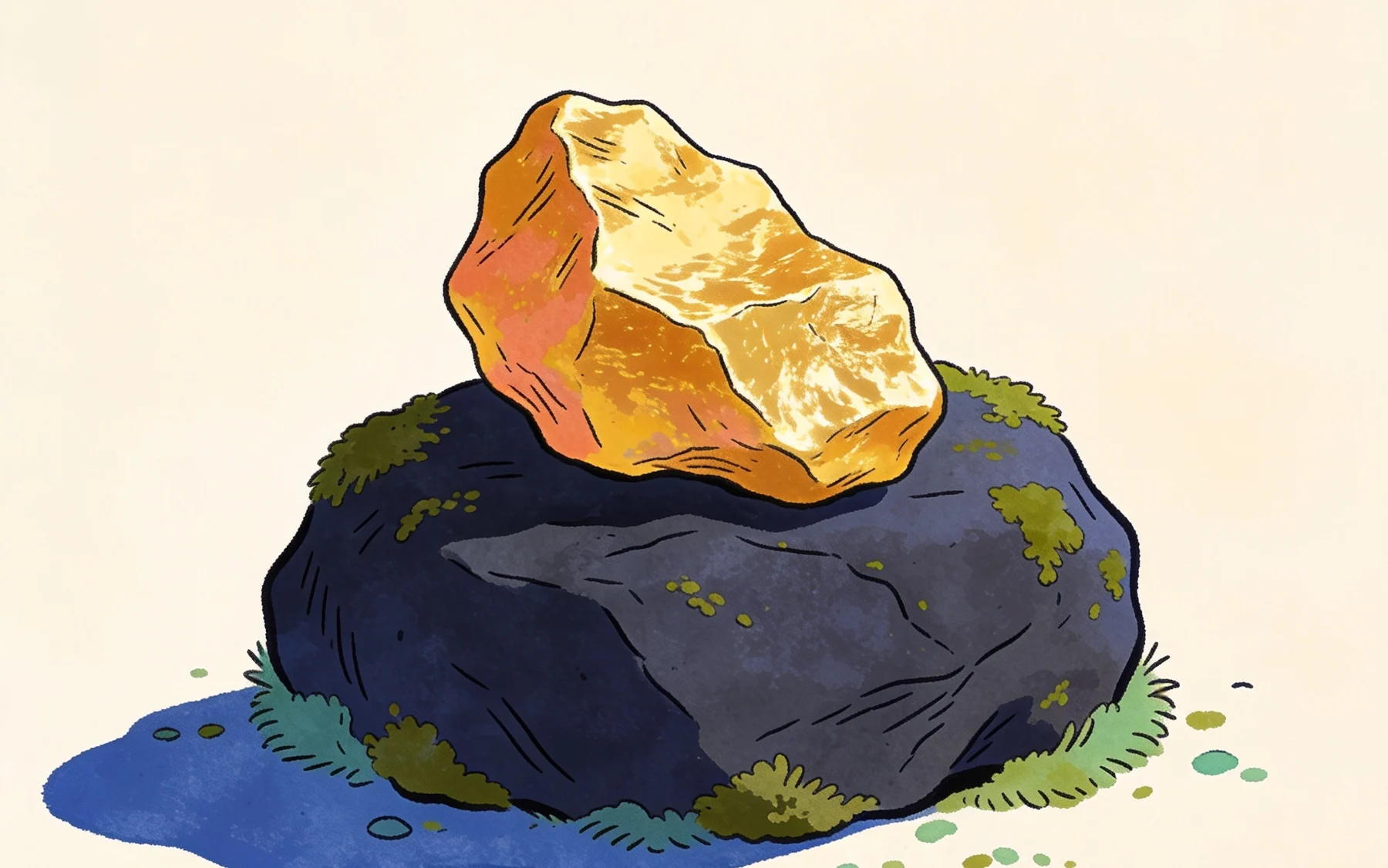
Take a look at this gold nugget. It looks like it belongs in the dirt, but Earth is actually just its temporary home.
Gold is a pure element. That means it is a basic building block of matter that can't be broken down or built from scratch by any chemistry we have here.
No matter how hard a plant grows or a person digs, life can't manufacture gold atoms. Biology can move things around, but it can't create a single new atom of gold.
Even the massive heat and pressure of volcanoes or shifting tectonic plates aren't enough. Those forces can melt and concentrate gold, but they lack the power to actually forge the gold itself. If Earth can't make it, then this shiny metal must've come from somewhere much, much farther away.
The Stellar Furnace
- Gravity crushes atoms together
- Fusion releases intense energy
- Stars build elements up to iron
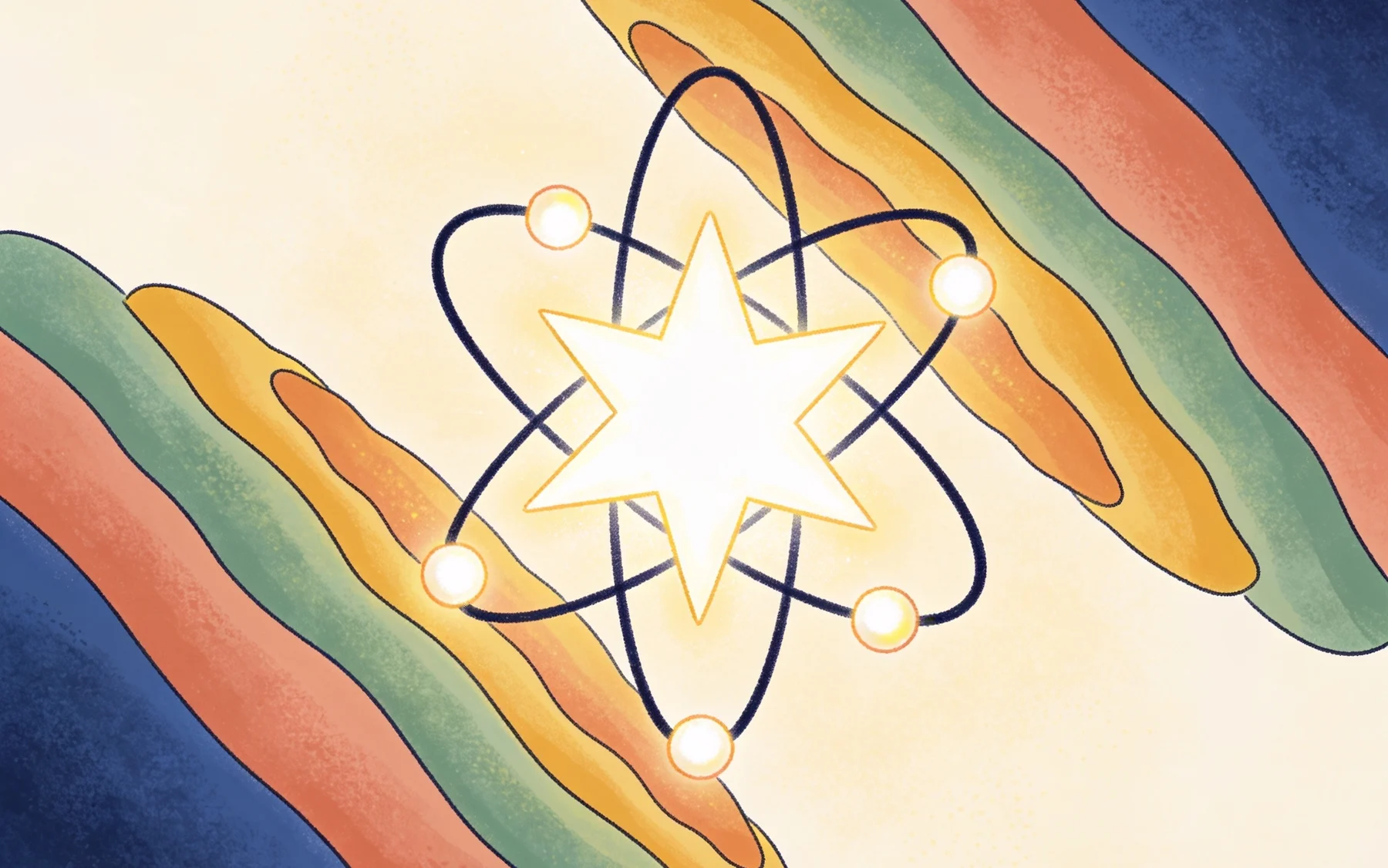
Think of a star as a giant, cosmic pressure cooker working at millions of degrees. It is the only place in the universe hot enough to start building the building blocks of matter.
Gravity is the master chef here, squeezing hydrogen atoms so tightly that they have no choice but to merge. This process is called nuclear fusion.
Every time atoms fuse, they release a tiny spark of energy. When trillions of them do it at once, you get the blinding light and heat of a sun.
The star uses this heat to keep building heavier and heavier elements, like the oxygen you breathe. But even the biggest stars stop once they create iron. We have the ingredients for a planet now, but we are still missing that precious gold. To get that, we need to wait for the star's grand finale.
Standard stars simply do not have the intense heat and pressure needed to build elements heavier than iron.
Cosmic Collisions
- Neutron star collisions
- Extreme heat and pressure
- Rapid neutron capture
Stars do a lot of heavy lifting, but making gold requires a bit more drama than a normal star can provide.
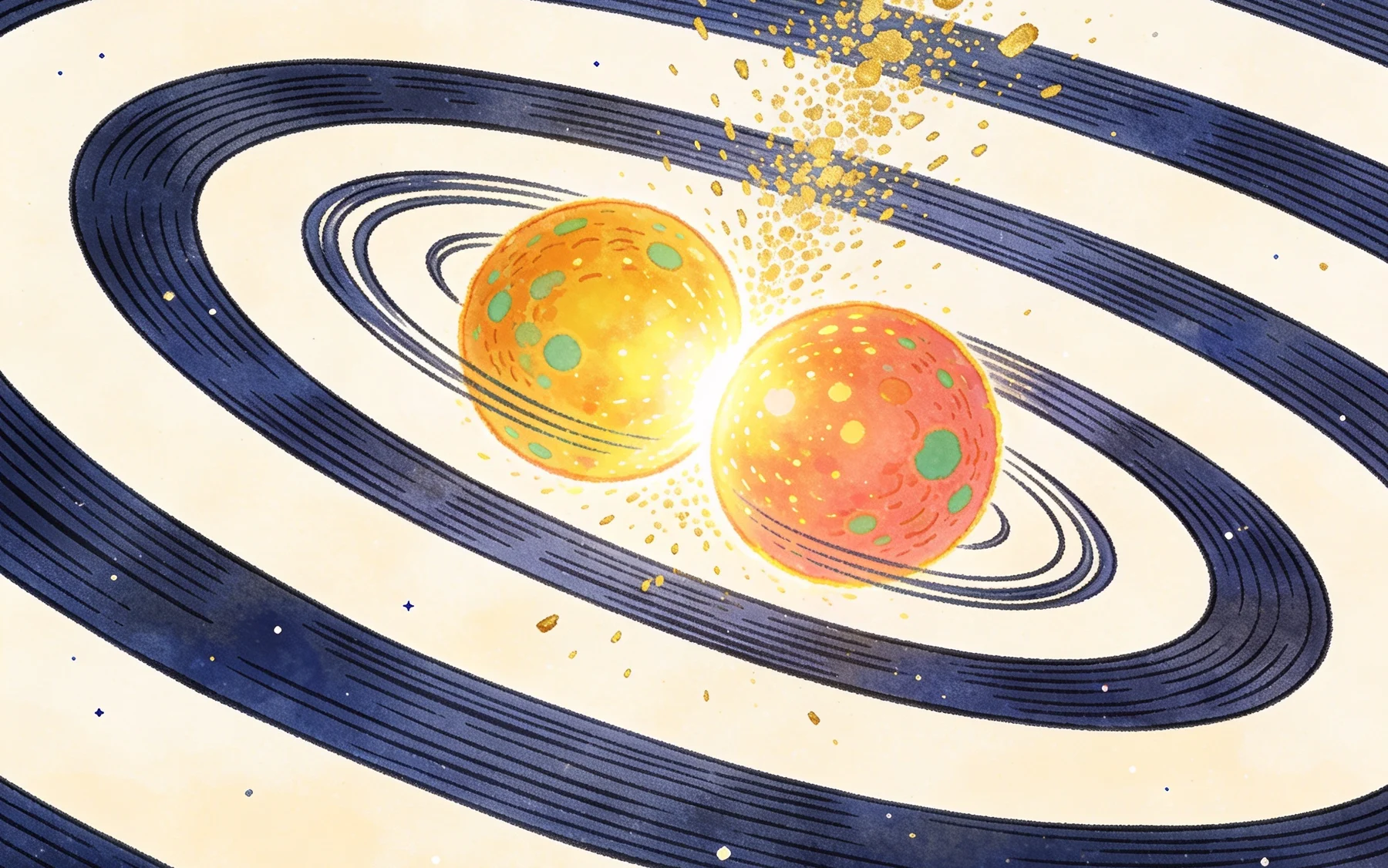
It happens when two neutron stars, which are the crushed remains of dead giants, finally spiral in and smash together.
That impact is so powerful it creates a blast of heat and pressure that dwarfs almost anything else in the cosmos.
In that chaotic moment, atoms are pelted with neutrons so fast they transform into heavy metals like gold. It's a brief, spectacular mess that leaves the universe a lot shinier than it was before.
The Golden Rain
- Original gold sank to Earth's core
- Asteroids brought a new supply
- Gold stayed in the hardened crust
You might be surprised to learn that Earth's original supply of gold actually sank deep into the core while the planet was still a molten ball.
Gravity pulled the heavy stuff down, leaving the surface empty of the shiny metal we love.
But about four billion years ago, a massive event called the Late Heavy Bombardment changed everything.
Millions of asteroids began slamming into the newly cooled crust, acting like a cosmic delivery service.
These rocks were packed with gold, which stayed near the surface because the ground was finally solid enough to hold it.
So, every ring or coin you see today is actually a tiny piece of that ancient, violent storm from space.
These massive star collisions released the incredible energy needed to forge heavy atoms like gold.
The Gold in Your Hand
- Gold sank into the Earth's core
- Asteroids delivered surface gold
- We use gold in modern life
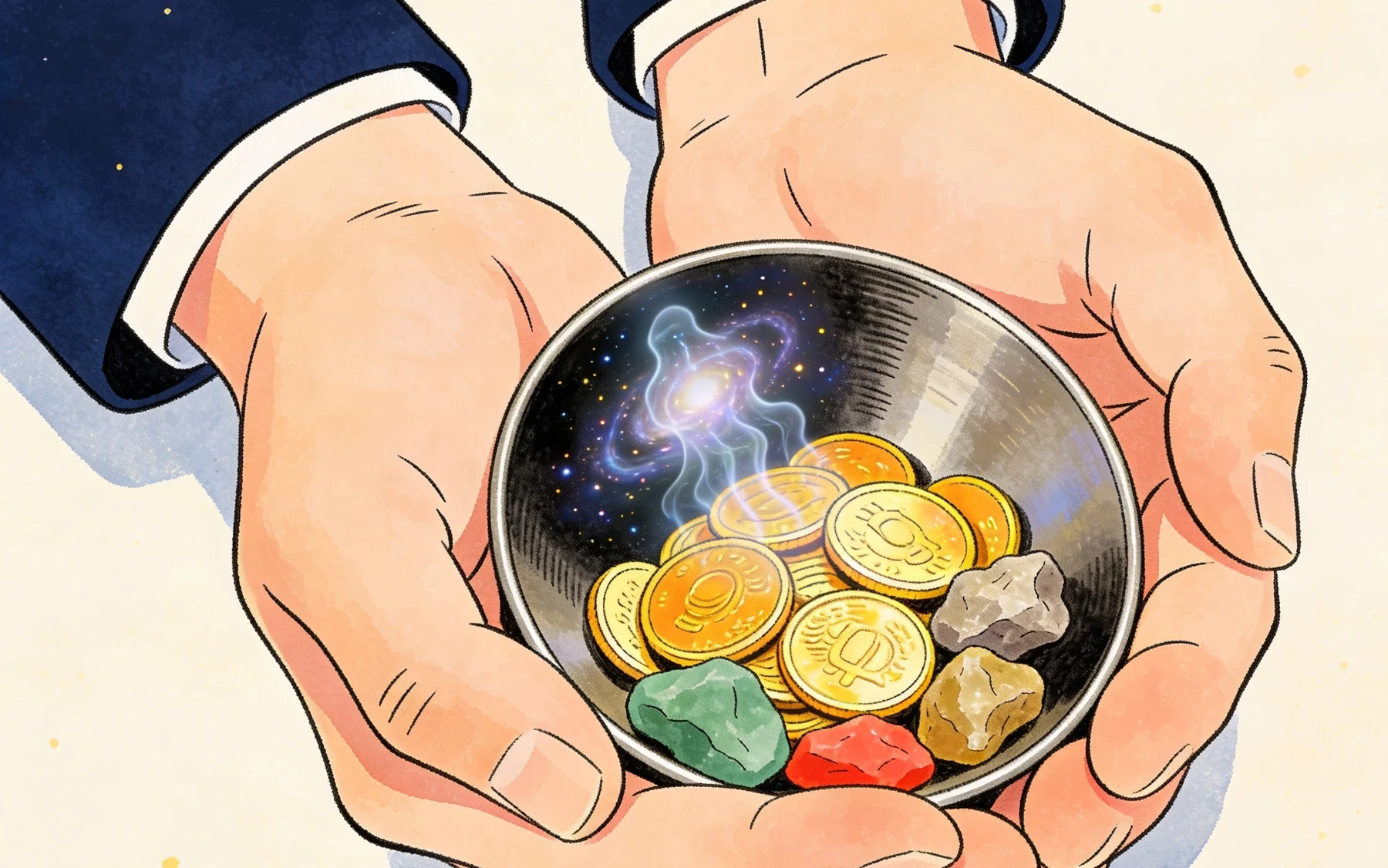
Every piece of gold you have ever seen started as dust from a cosmic collision.
When Earth first formed, it was so hot and liquid that most of the heavy gold sank right down into the planet's core.
If the story stopped there, we would never be able to reach it.
Millions of years later, a heavy rain of asteroids brought a fresh supply of gold that stayed in the Earth's outer crust.
Today we use that star stuff for everything from jewelry to circuit boards, keeping a piece of the cosmos with us every day.
Sources
Created by Curio, the Curious Fit Mind AI tutor, and screened automatically for safety. For further reading, these references cover the same subject:
AI-generated lesson. See disclaimer.
You just read it.
Curio can teach this one out loud too, illustrated and narrated, with quick checks along the way.