Defying Gravity: The Science of Rocketry
Discover the powerful forces and clever engineering that propel giant ships beyond our atmosphere.
Reaching for the Stars
- Physics of thrust
- Fuel and engineering
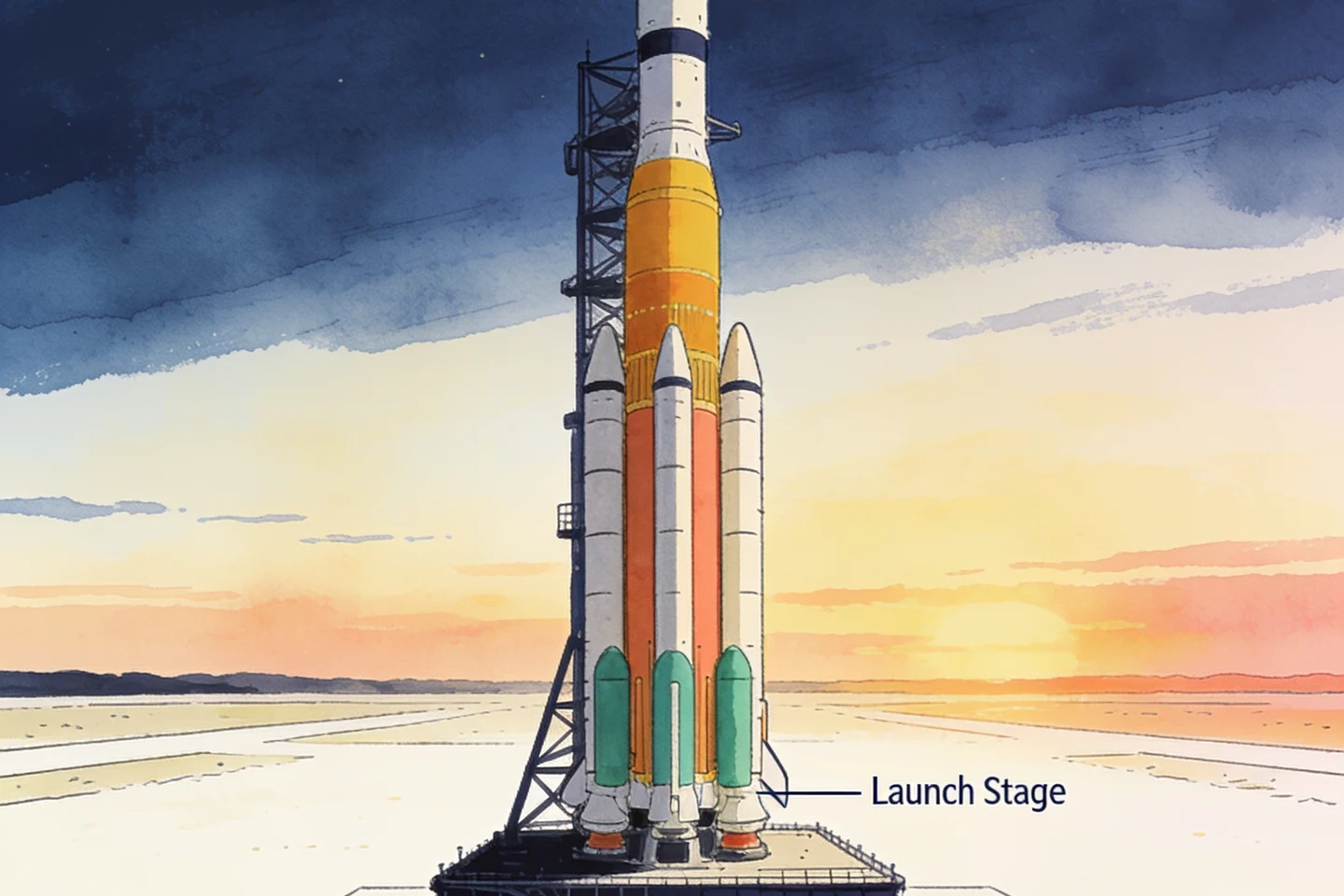
Look at that rocket waiting on the pad. It looks perfectly still, but it is about to have a very loud disagreement with the pull of our planet.
To leave the ground, we have to use the laws of physics to create enough thrust to overcome gravity.
We also need to pack a massive amount of fuel into a structure that is strong enough to survive the journey.
The Power of the Push
- Every action has an equal reaction
- Thrust comes from throwing mass
- Rockets do not push against the air
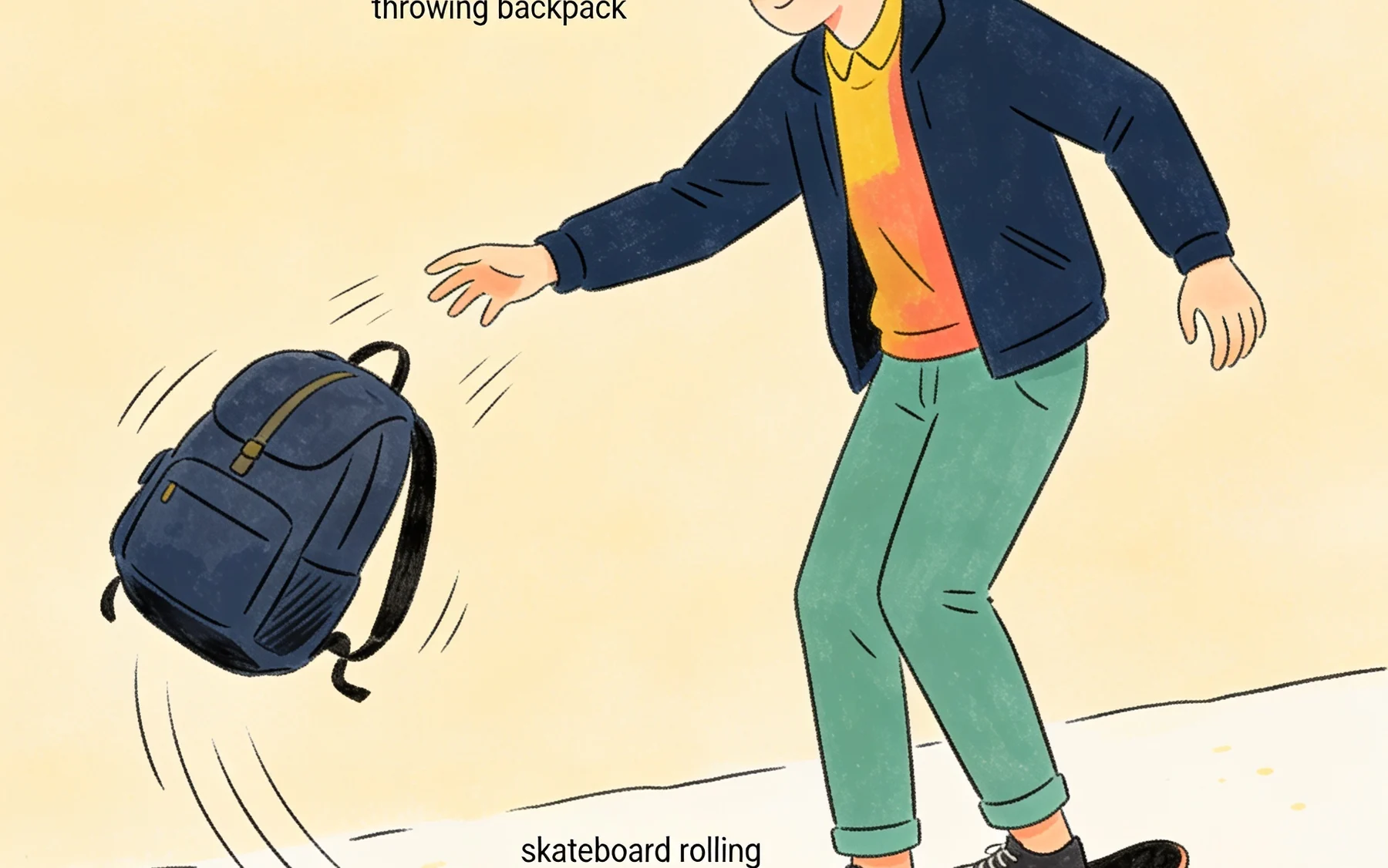
Think about standing on a skateboard and throwing a heavy backpack away from you. You are going to roll backward even though you did not touch the ground with your feet.
This is Newton's Third Law. It says that for every action, there is always an equal and opposite reaction.
A rocket does the same thing by throwing a huge amount of hot gas out of its nozzle at incredible speeds.
Because the engine pushes the gas down, the gas pushes the rocket up with the exact same amount of force.
You do not even need air for this to work. The rocket is not pushing off the ground or the clouds, it is just pushing against its own fuel.
Anatomy of a Rocket
- Payload carries the cargo
- Propellant tanks store fuel
- Nozzle directs the thrust
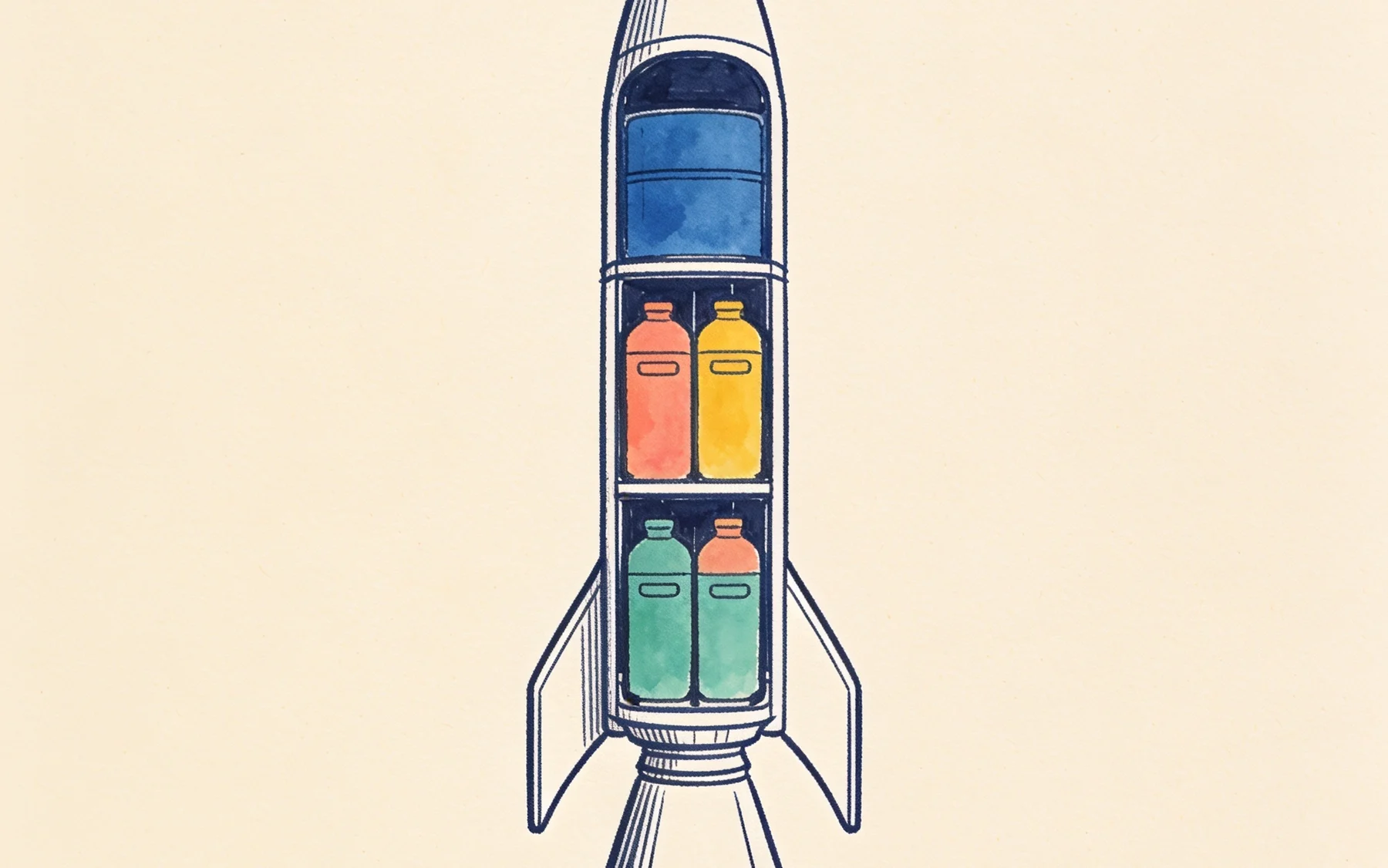
Think of a rocket as a giant, high-speed delivery truck. It has a specific job to do and several parts to make it happen.
Right at the top sits the payload. This is the cargo, like a satellite or a crew of astronauts, that the rocket is working so hard to carry.
Most of the rocket's body is actually just giant storage bins called propellant tanks. These hold the fuel and oxygen needed to create a massive explosion.
Down at the very bottom, you'll find the engine nozzle. It is shaped like a bell to channel all that hot gas downward and push the rocket up.
Rockets move forward by throwing mass out the back, which creates a reaction force that pushes the rocket in the other direction.
The Power of Combustion
- Mixing fuel and oxidizer
- Ignition and reaction
- Rapid gas expansion
- Creating directed thrust
To start the engine, we pump fuel and a chemical called an oxidizer into a strong metal chamber.
Once they meet, a spark triggers a massive chemical reaction that burns hotter than anything on Earth.
This fire turns the liquid into a huge volume of gas that expands with incredible force.
The only way out is through a narrow nozzle, which focuses all that pressure into a powerful kick called thrust. This cycle repeats thousands of times a second to keep the rocket climbing higher.
Breaking the Grip
- Gravity's constant downward pull
- The balance of orbital speed
- Breaking free at escape velocity
Think of gravity as a very clingy friend who never wants you to leave the party. It is always there, pulling you back toward the center of the Earth.
The higher you go, the harder you have to work to keep from falling back down to the ground. Even at the edge of space, gravity is still trying its best to bring you home.
To stay in orbit, you move sideways so fast that you essentially miss the ground while you're falling. This perfect balance keeps satellites circling the planet instead of crashing.
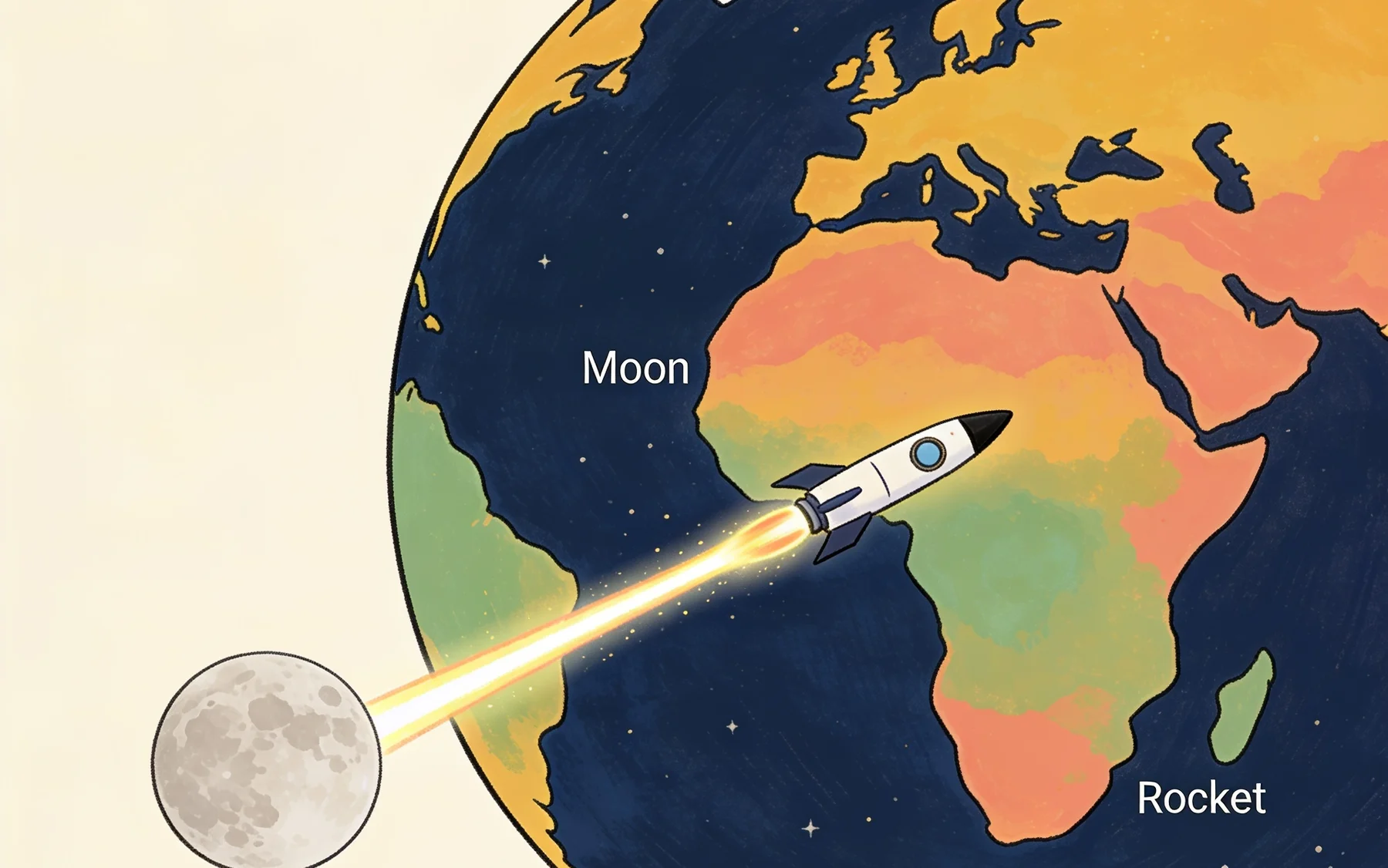
If you want to visit the moon, you have to reach escape velocity. At twenty-five thousand miles per hour, you're finally moving fast enough to break gravity's grip for good. That incredible speed is the only way to win the tug of war with our planet and head out into the deep reaches of space.
Fire needs oxygen to burn, and since space is a vacuum with no air, rockets must bring their own oxygen to keep the engine firing.
The Art of Shedding Weight
- Empty tanks are heavy dead weight
- Lighter rockets accelerate faster
- Discarding stages saves energy
Imagine you are hiking with a backpack full of water. As you drink, the water disappears, but you are still carrying the heavy bottle.
A rocket's fuel tank works the same way. Once the fuel is burned up, that massive metal container becomes dead weight.
By letting go of the empty tank, we instantly reduce the weight of the ship. A lighter rocket can accelerate much faster with the same amount of push.
This means the next engine does not have to work nearly as hard. You are using every bit of energy for speed instead of lugging around trash. It is the only way we can move fast enough to reach orbit. We have to shed our heavy parts to finally touch the stars.
How We Reach the Stars
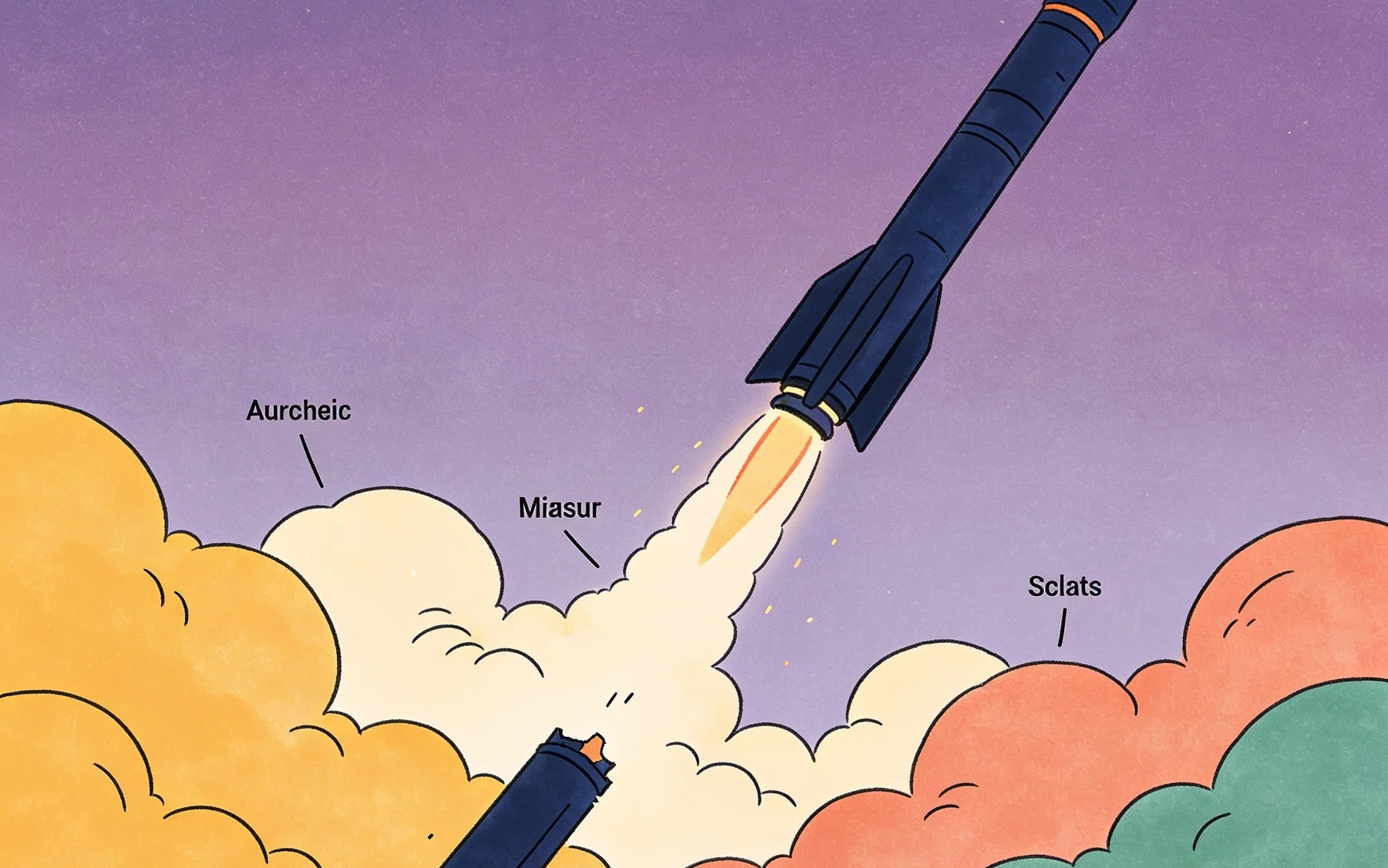
- Action and reaction
- Chemical energy
- Multi-stage efficiency
We have looked at the pieces, but the way they fit together is the real magic of spaceflight.
By throwing mass out the back at high speeds, the rocket gains the momentum it needs to climb away from the ground.
We power that movement with chemical reactions that pack an incredible amount of energy into every drop of fuel.
To keep from getting weighed down, we use staging to drop empty tanks once their job is finished. When these three ideas work in sync, they become the keys that unlock the door to our solar system.
Sources
Created by Curio, the Curious Fit Mind AI tutor, and screened automatically for safety. For further reading, these references cover the same subject:
- Rocket Principles · NASA Glenn Research Center
AI-generated lesson. See disclaimer.
You just read it.
Curio can teach this one out loud too, illustrated and narrated, with quick checks along the way.