Gills: The Underwater Superpower
Dive into the science of how fish pull life-sustaining oxygen directly out of the water to thrive in the ocean's depths.

Breathe Deep Underwater
- Extracting oxygen from water
- Anatomy of the gill
I'm so glad you're here. Most of us think of breathing as a simple matter of taking a gulp of air, but fish have a much more mysterious way to survive.
They use an amazing organ called a gill to grab invisible oxygen right out of the water.
We're going to look closely at the hidden anatomy that makes this underwater superpower possible.
The Secret Ingredient
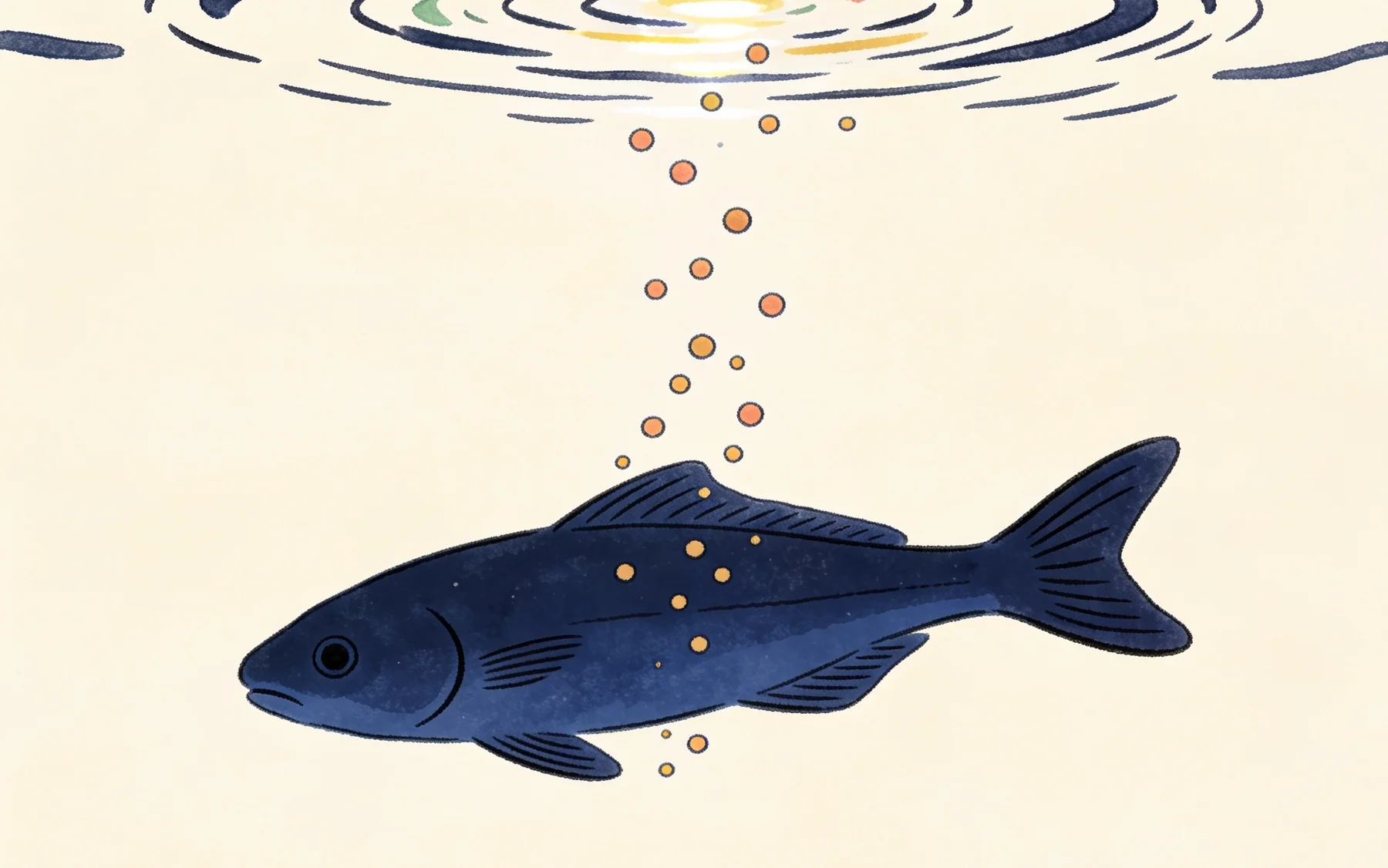
- Water holds invisible oxygen molecules.
- Oxygen dissolves into water like sugar.
- Fish filter this oxygen to live.
You might think water is just liquid, but it's actually a wet soup of hidden ingredients.
The most important one is dissolved oxygen, which is oxygen gas that's tucked itself into the spaces between water particles.
It gets there when waves crash or when underwater plants release it during the day.
Even though it's dissolved, those oxygen molecules stay separate from the water molecules, just waiting to be caught.
Fish are experts at filtering out these tiny pieces of life-giving gas as they swim through the deep.
Inside the Breathing Engine
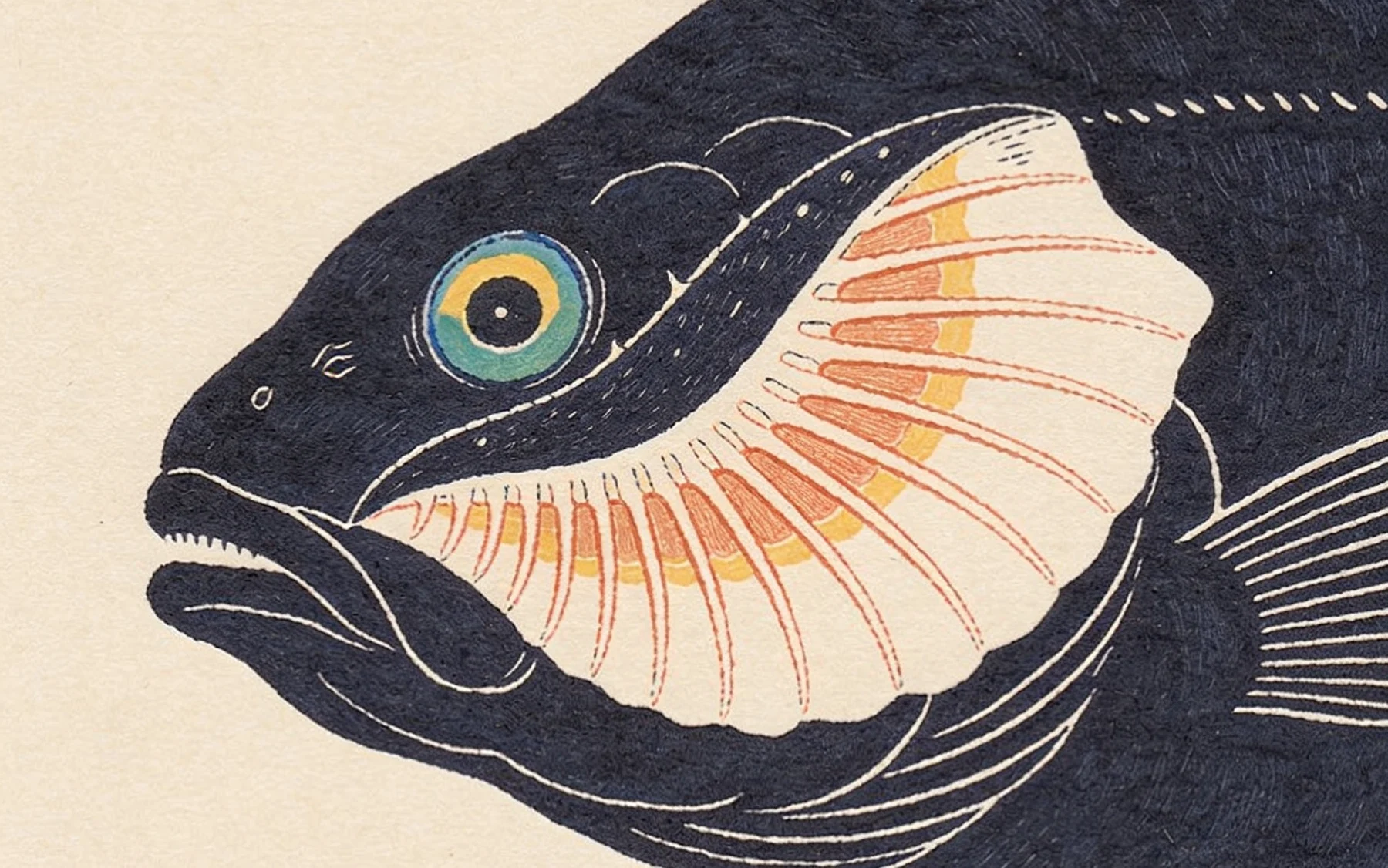
- Protective operculum flap
- Feathery gill filaments
- One way water flow
Take a look at the side of a fish's head, right behind the eyes. You will see a bony flap called the operculum that acts like a protective suit of armor for the breathing gear inside.
When that flap opens, you can see rows of bright red, feathery structures tucked away. These are the gill filaments, and they are where the real magic happens.
Because they are so thin and delicate, they provide a massive surface area to soak up oxygen from the passing water.
The whole system relies on water flowing in through the mouth and straight over these filaments before exiting the sides.
Gills work like a filter to catch the tiny bits of oxygen gas already mixed in the water, just like we breathe oxygen from the air.
Gulp, Push, Breathe
- Mouth takes in water
- Pressure pushes water back
- Water reaches the gills
- Gills capture oxygen
A fish starts its breathing cycle by opening its mouth to take in a fresh gulp of water.
Then, it closes its mouth and squeezes its throat to push that water backward.
That pressure forces the water through the gill chambers, passing over the thin gill tissues.
This is where the magic happens, as the gills pull oxygen out of the water and send it into the blood. This constant pumping ensures there's always a fresh supply of oxygen moving through the system.
Maximum Efficiency
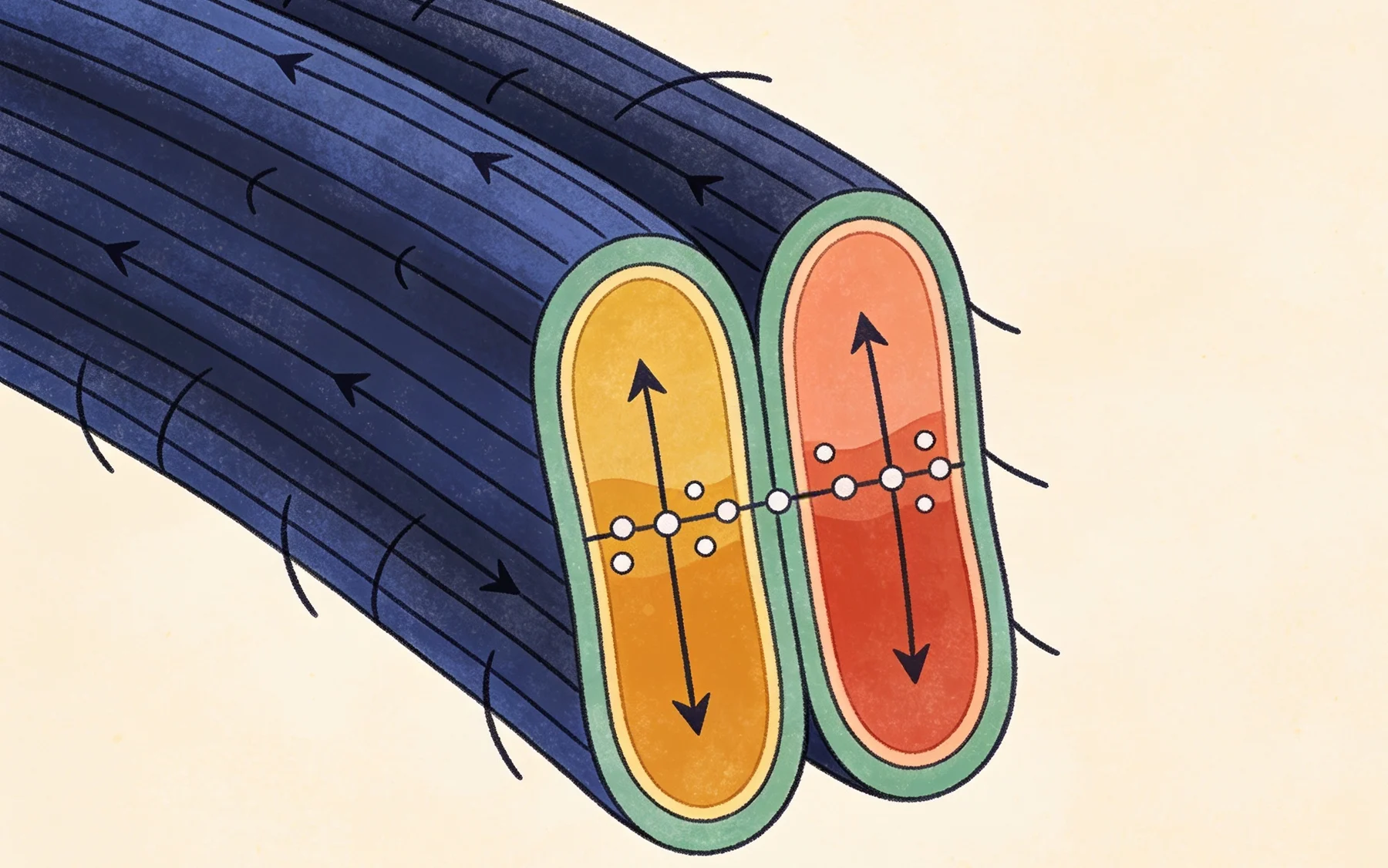
- Opposite flow directions
- Constant oxygen gradient
- Near total oxygen absorption
You might think water and blood should flow the same way, but nature has a much cleverer trick up its sleeve.
Inside the gills, the blood flows in the exact opposite direction of the water passing over it.
By moving against each other, the blood is always meeting water that has a bit more oxygen than it already has.
This constant difference keeps oxygen moving into the blood the entire time it is in the gill. It is an incredibly efficient system that lets fish grab almost every bit of oxygen available.
Fish take in water through their mouths and pass it over their gills so the blood can collect the oxygen it needs.
Mastering the Deep

- High efficiency oxygen capture
- Constant water movement
- Adapting to the deep
Think about how incredible this is. You and I would struggle for even a minute down here, but for a fish, this water is as life-giving as a fresh breeze.
Gills act like specialized filters that grab dissolved oxygen right out of the liquid. They are far more efficient at this than our lungs could ever be.
To keep the oxygen coming, fish have to keep water moving over those delicate red filaments. Whether they pump their cheeks or swim forward, they are essentially breathing by moving.
That is exactly why the surface area of gills is so large. It allows them to catch every possible molecule, even though water holds much less oxygen than air.
This clever design is what allows fish to thrive in every corner of the ocean. They have mastered a world that covers most of our planet, all thanks to those feathery structures.
Sources
Created by Curio, the Curious Fit Mind AI tutor, and screened automatically for safety. For further reading, these references cover the same subject:
- Fish gill · Wikipedia
AI-generated lesson. See disclaimer.
You just read it.
Curio can teach this one out loud too, illustrated and narrated, with quick checks along the way.