Life in the Midnight Zone: Surviving the Deep Sea
Dive into the dark, high-pressure world of the ocean's abyss to discover the strange and beautiful creatures that call it home.
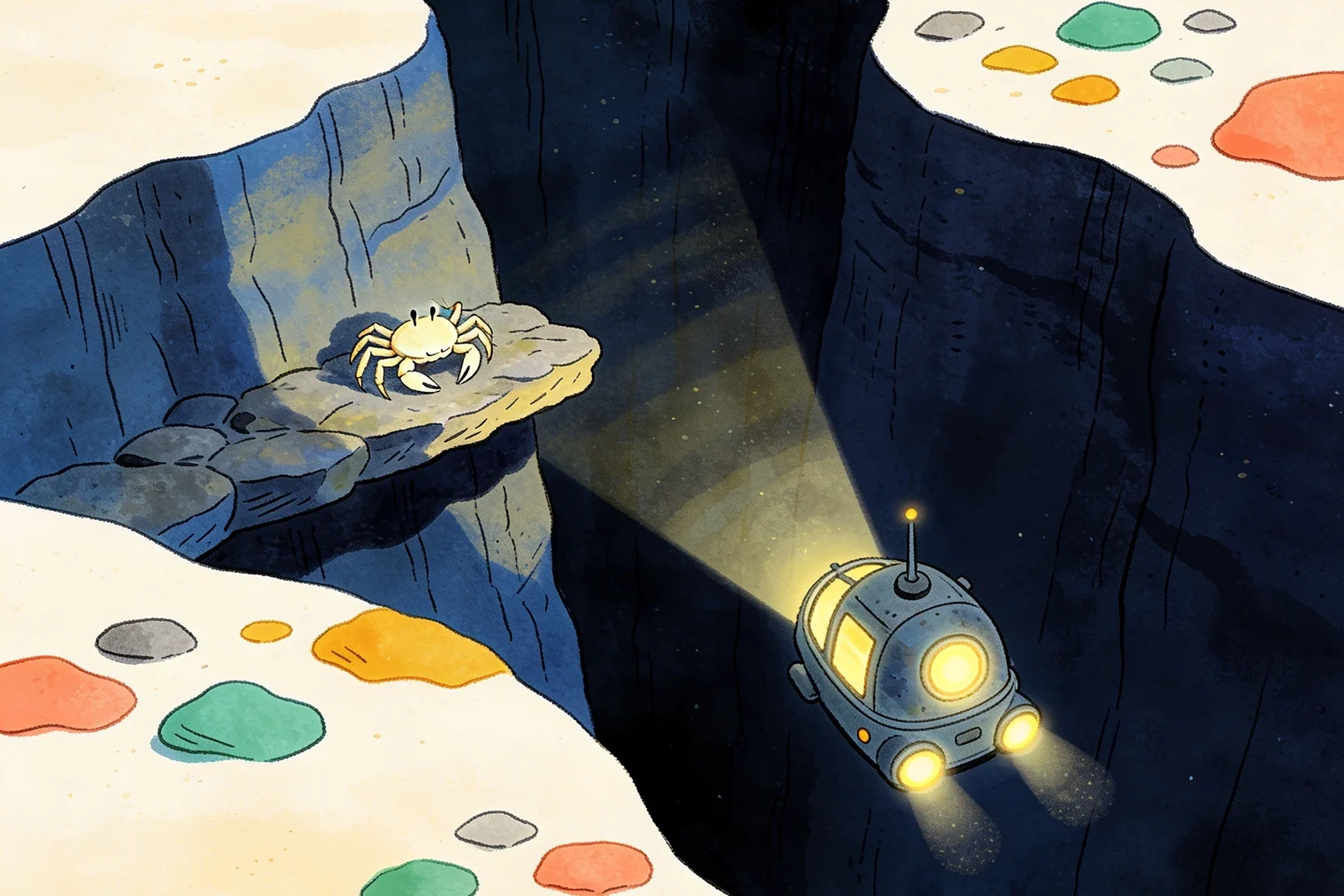
Welcome to the Abyss
- Extreme pressure and freezing cold
- Total darkness and scarce food
Most of our planet is hidden under miles of deep water, where the sun's rays can't reach. It's a world that feels completely alien to us.
The water pressure at these depths is strong enough to crush steel, and the temperature is always just above freezing. Animals here have evolved special bodies to handle that intense weight.
Without any sunlight, there are no plants, so finding a meal is a constant challenge. We'll explore the clever ways these creatures find food and each other in the pitch black.
A Long Way Down
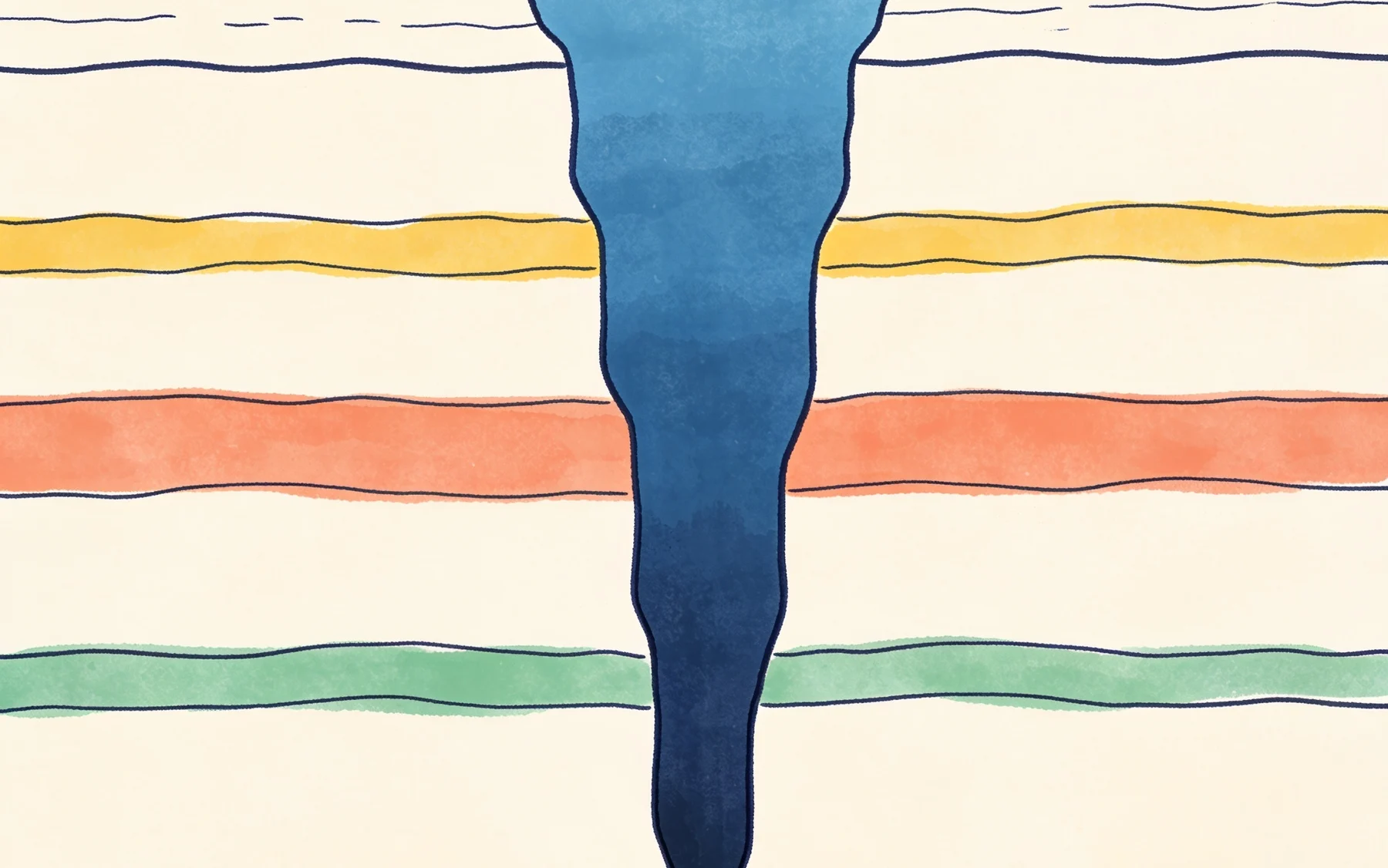
- Sunlight fuels the top
- Light fades with depth
- Pressure builds at the bottom
Imagine the ocean as a giant building with many floors. We usually only hang out on the sunny roof.
The Sunlight Zone is that top layer. It is where plants grow and most of the fish you know live.
Downstairs, the light fades in the Twilight Zone and vanishes in the Midnight Zone. It stays dark and cold here.
At the very bottom are the Abyssal Zone and the Trenches. The water pressure here would crush a regular submarine. It is incredible how much life thrives in places we can hardly reach.
Light in the Abyss
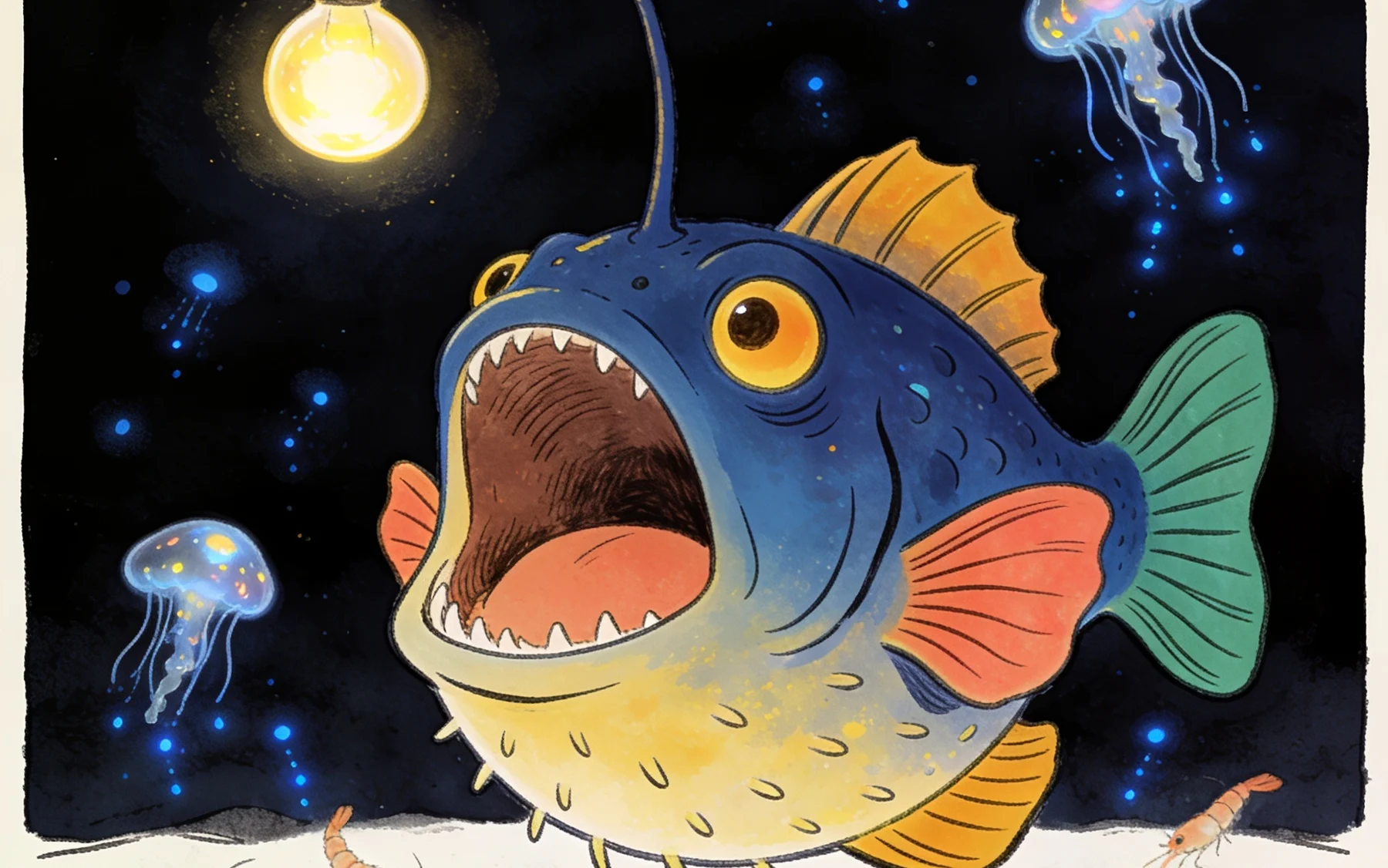
- Chemical light production
- Luring unsuspecting prey
- Camouflage through counter-illumination
- Communication and signaling
Imagine you are miles under the ocean where it is pitch black, yet little sparks of blue and green are flickering everywhere.
Most deep sea animals make their own light through a chemical reaction inside their bodies, almost like a living glow stick.
Some fish use a glowing lure to trick curious neighbors into swimming right into their mouths.
Others use light on their bellies to blend in with the faint glow from above, making them invisible to predators looking up from below.
Creatures also flash specific patterns to find mates or warn others to stay away from their territory. It is a busy, shining world down there, even if our eyes usually cannot see it.
Since there is no sunlight in the deep sea, animals create their own light to find food and communicate with others.
The Weight of the Ocean
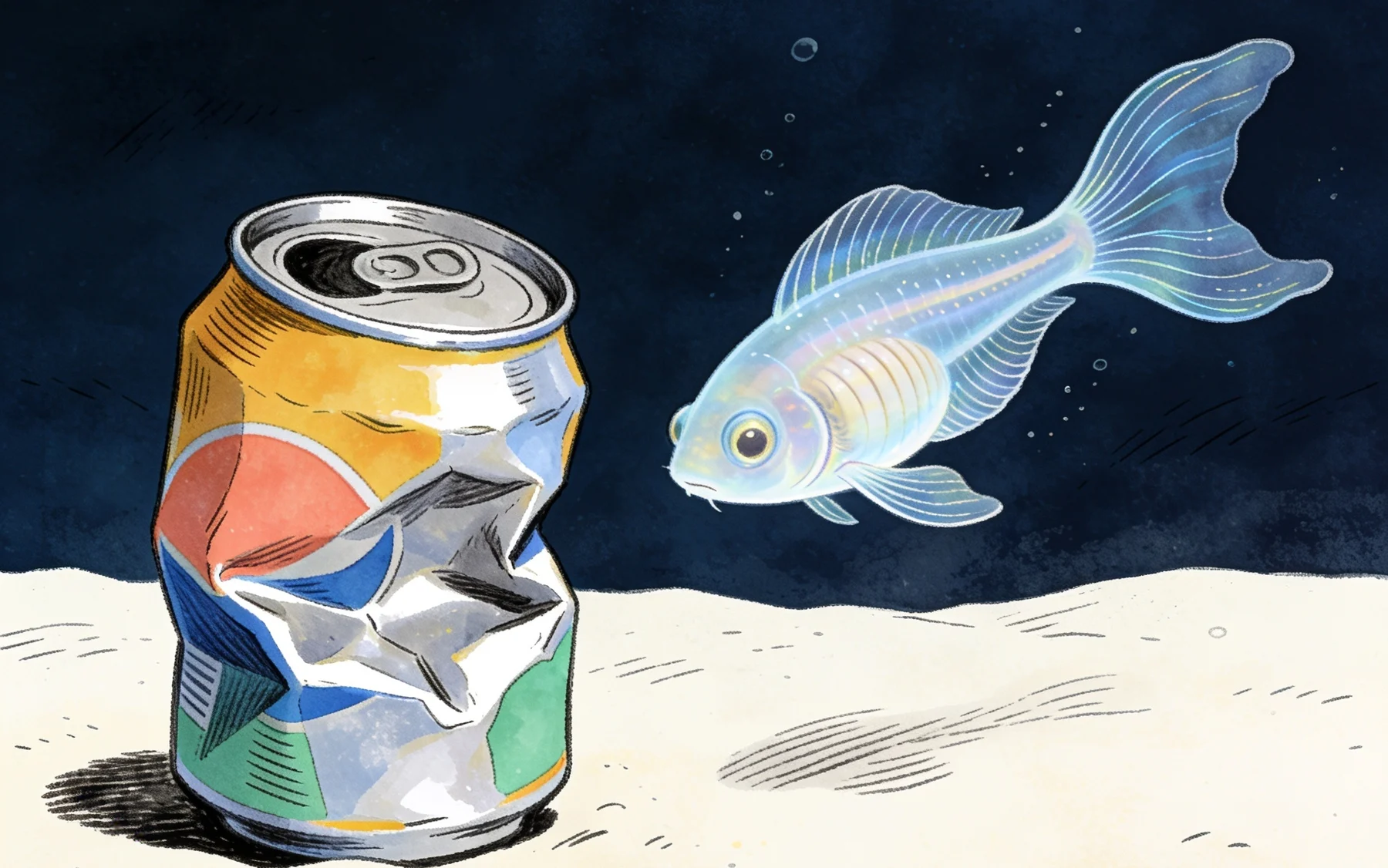
- No internal air pockets
- Fluid-filled tissues
- Soft and flexible bones
Imagine the weight of a hundred elephants standing on your shoulders. That is the kind of crushing pressure these creatures live with every single day.
Most fish near the surface use air-filled sacs to stay buoyant, but deep-sea dwellers skip the air entirely because gas pockets would be flattened in a second.
They fill their cells with water and special oils instead, since liquids do not squeeze together under pressure the way air does.
Their bodies are held together by soft, flexible bones and proteins that act like springs, bending without snapping under the heavy weight. This clever design allows them to glide through the darkness as if the weight of the entire ocean was not even there.
Energy from Above
- Sunlit surface life
- Sinking organic debris
- Marine snow flakes
- Deep sea food source
Everything starts at the surface, where sunlight feeds tiny plants and bustling schools of fish.
When these organisms die or leave waste behind, it starts a long journey down into the depths.
We call this material marine snow because it looks like a blizzard of white flakes in the dark water.
Down in the midnight zone, this falling debris is the main source of energy for almost every living thing. It is a slow, steady shower of food that keeps the deep sea alive.
Because fluid cannot be compressed, these animals can match the pressure around them while eating organic bits that drift down from above.
Life in the Shadows
- Bodies built for high pressure
- Bioluminescence and keen senses
- Mapping the unexplored seafloor
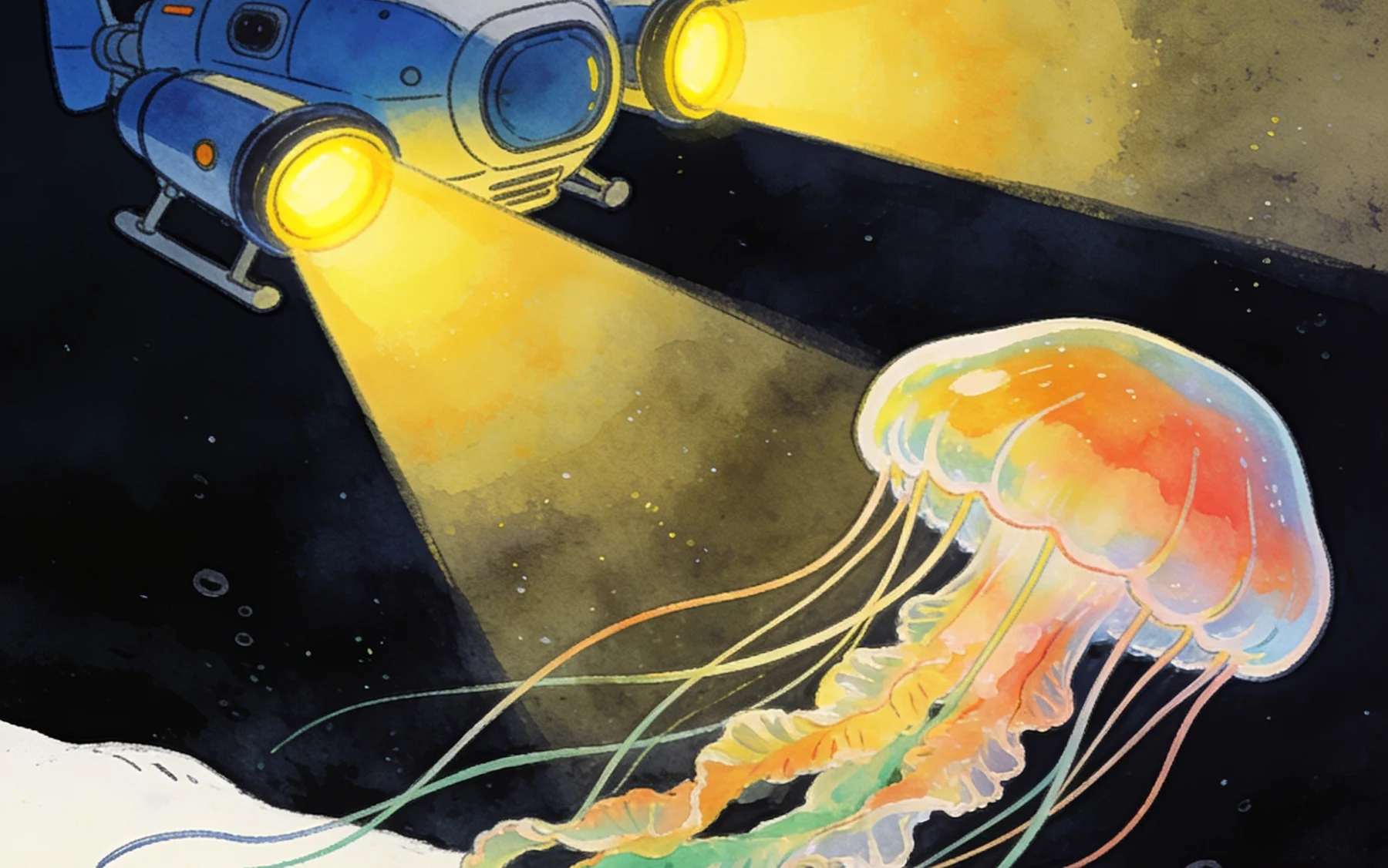
We've traveled miles down into a world that feels like a science fiction movie. These creatures don't just survive here, they actually thrive in ways that make our lives on land look a bit boring.
To live under such heavy weight, deep sea life evolved soft bodies and special proteins that keep their cells from collapsing. It's a clever solution to a pressure that would crush us in an instant.
Since sunlight never reaches this far, many animals make their own glow or use giant eyes to catch every tiny spark. They've turned a dark desert into a land of glowing signals and massive traps.
We've actually mapped more of the Moon's surface than we've mapped our own ocean floor. Every time we send a camera down, we find a species that looks like it belongs in a storybook. Protecting this unseen world starts with simply knowing it's there. Our journey into the deep is just beginning, and there's so much left for you to find.
Sources
Created by Curio, the Curious Fit Mind AI tutor, and screened automatically for safety. For further reading, these references cover the same subject:
- Fishes of the Midnight Zone · NOAA Ocean Exploration
AI-generated lesson. See disclaimer.
You just read it.
Curio can teach this one out loud too, illustrated and narrated, with quick checks along the way.