Mastering the Table: Smarter Bidding and Play in Bridge
Take your game to the next level by mastering bidding logic, card counting, and strategic partnership play.
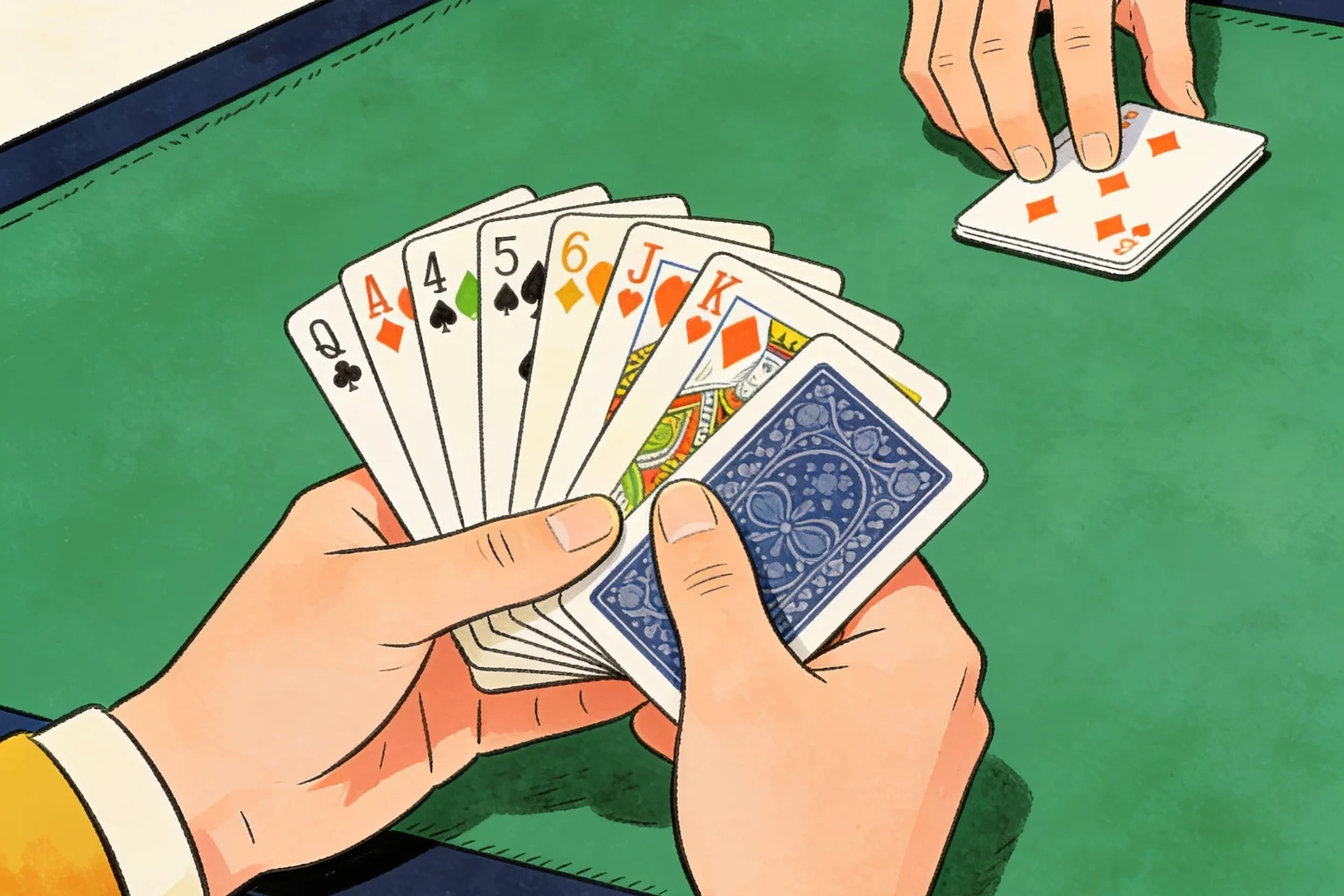
Your Seat at the Bridge Table
- Bidding as a secret language
- Cooperative strategy in every hand
Hello. I'm so glad you've joined us to sharpen your bridge game. We'll start by looking at bidding, which is really just a clever way to talk to your partner using nothing but numbers and suits.
After the bid, we'll work on the art of playing the cards and using signals to stay in sync with your teammate. It's a game of logic and trust that stays fresh every time you sit down.
The Value of a Hand
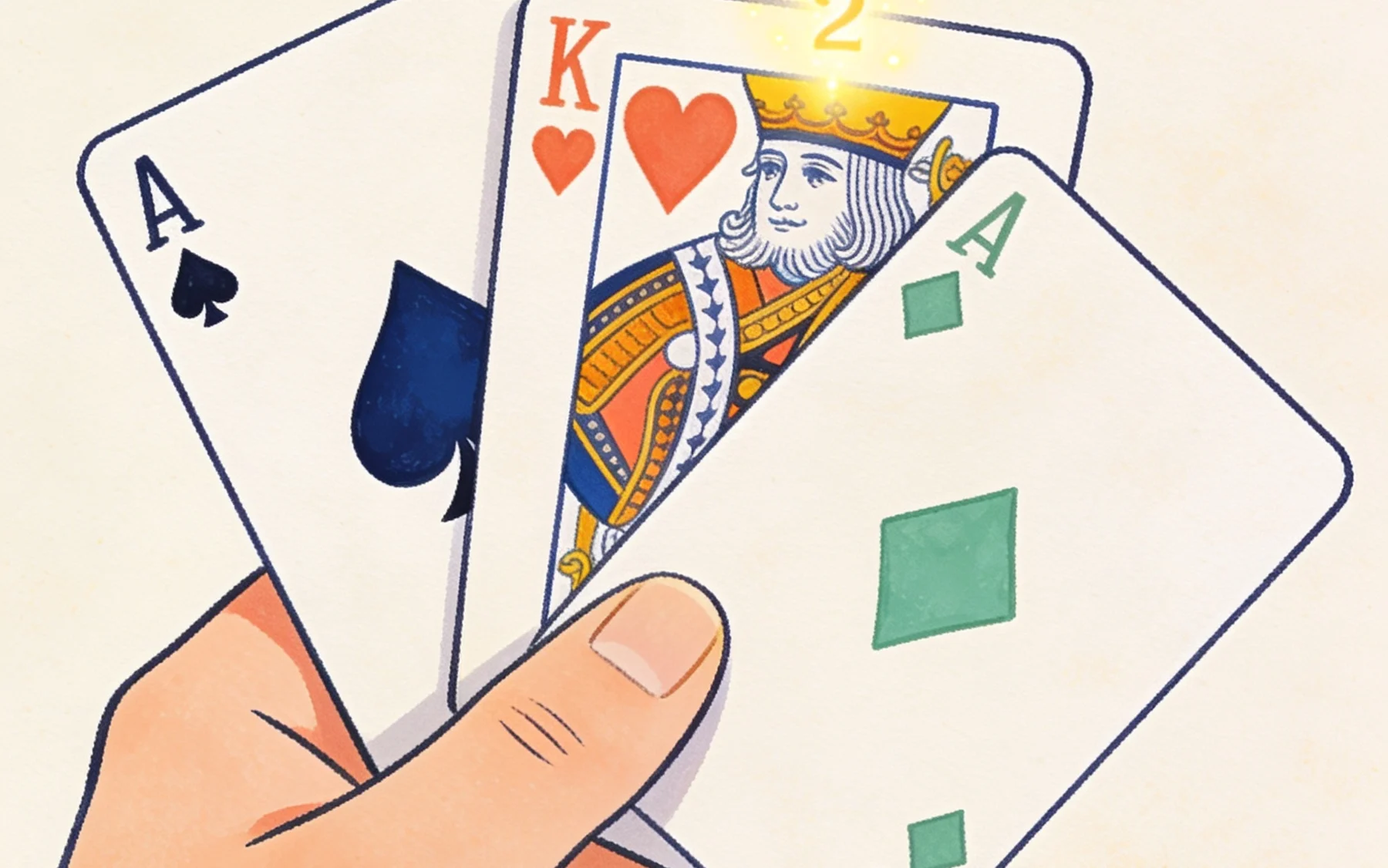
- Assign points to face cards
- Total deck points equal forty
- Target twelve points to open
Welcome to the engine room. We are going to turn those shiny face cards into a clear number to make your decisions easier.
We use a simple scale where an Ace is worth four points, a King is three, a Queen is two, and a Jack is just one.
If you add up every high card in the deck, you will find the total always comes to exactly forty points.
Twelve points represents about a third of the deck's power, which is usually the green light you need to open the bidding. It gives you and your partner a baseline to figure out if you have the majority of the strength together.
Climbing the Ladder
- Suit ranks: ♣ ♦ ♥ ♠ NT
- Trick levels: 1 to 7
- Higher rank or number to bid
- Reaching the final contract
Think of the bidding table like a staircase where every step gets a little higher and more valuable.
We start with the suits, where Clubs and Diamonds are the foundation, followed by Hearts, Spades, and the mighty No Trump.
Each bid also has a level from one to seven, representing how many tricks over six your team intends to take.
To take the lead, your bid must be higher in rank at the same level, or simply a higher level altogether.
You keep climbing this ladder until everyone agrees on the best spot to stop and play the hand.
Adding up four for the Ace, three for the King, four for the two Queens, and one for the Jack gives you twelve points, which is the standard minimum to start the auction.
Take a Beat to Count
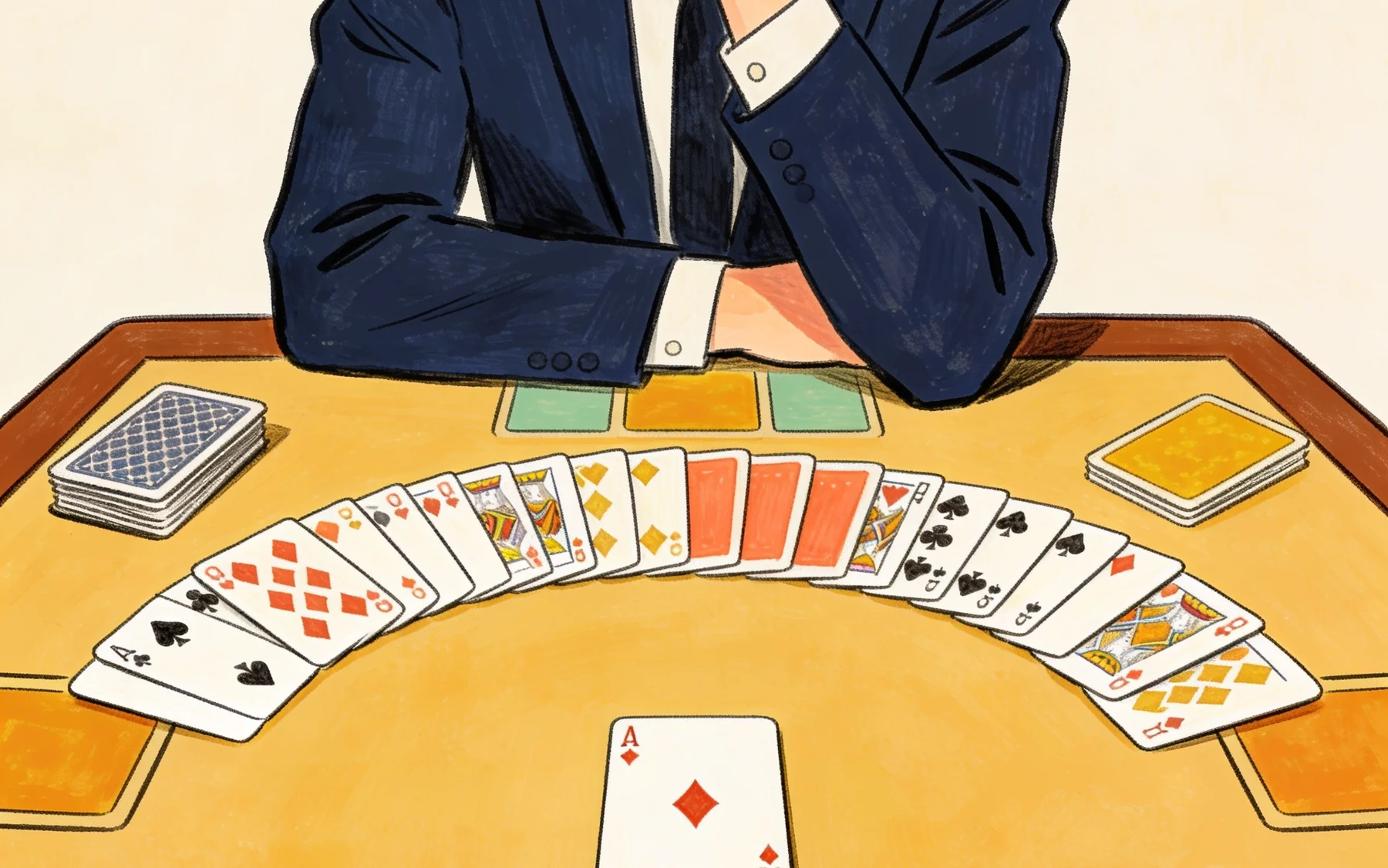
- Pause before the first card
- Count your winning tricks
- Identify your losing cards
The lead is on the table, the dummy is face up, and you might feel a rush to just start playing cards.
Before you touch anything, take a long look. This is the only moment you can see the whole board before the play changes it.
Start by tallying up your sure winners. These are the cards that are guaranteed to take a trick without any extra work.
Next, look for your potential losers. You need to know exactly where the opponents could break through your defense. This pause turns a frantic game into a calm strategy. You are drawing your map before you start the journey.
Mastering the Trump Pull
- Prevent opponent ruffs
- Prioritize the draw
- Count the remaining cards
- Identify when to delay
Think of trumps as your defensive shield. If you leave them in the opponents' hands, they can crash your party by ruffing your best cards.
Drawing trumps means leading that suit until your opponents have none left to fight back with. It keeps your high cards in other suits safe from being trumped.
In most hands, you should start this process immediately after winning the opening lead. It is usually your very first priority as the declarer.
Watch the cards as they hit the table and keep a mental tally. You want to stop leading trumps the moment the opponents are empty to avoid wasting your own.
Once those pesky trumps are cleared away, your long suits are finally safe to play for tricks. It is a wonderful feeling when your path to victory is clear.
Using your trumps to ruff losers in the short hand is a great way to build extra tricks before they are all gone.
Talking with Cards
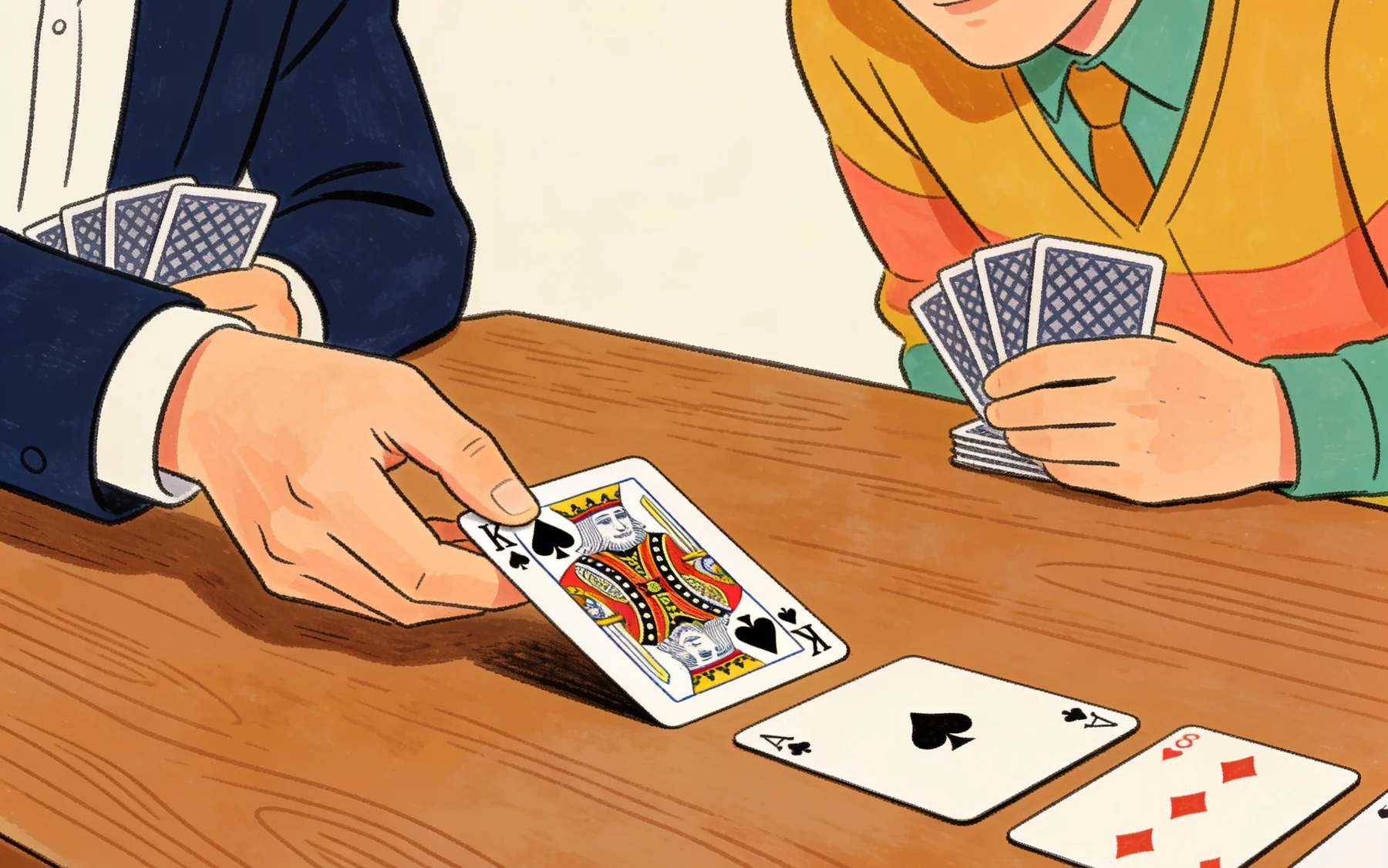
- Encourage a suit with high cards
- Discourage a suit with low cards
- Signal count with card order
When you're out of a suit, the card you throw away isn't just trash. It's a secret message to your partner.
Tossing a high card in a suit you like tells your partner you've got strength there and want them to lead it.
On the other hand, dropping your lowest card signals that you don't have much to help with in that specific suit.
It might seem like a waste to toss a high card, but the clarity you give your partner helps them play the rest of the hand perfectly.
You can even signal how many cards you hold by playing a high card followed by a lower one to show an even number. These quiet signals turn a messy guessing game into a clear conversation between friends.
The Road to Mastery
- Trust your partner
- Count the points
- Think like a defender
You've covered a lot of ground today. I hope you're feeling a bit more dangerous at the table now.
Bridge is a team sport. Keep your bidding clear so your partner knows exactly what you're holding.
Don't stop counting those high card points. It's the best way to paint a picture of everyone's hand.
When you're defending, think about how to spoil the declarer's party instead of just focusing on your own cards. Keep practicing and stay curious. I can't wait to see you play your next hand.
Sources
Created by Curio, the Curious Fit Mind AI tutor, and screened automatically for safety. For further reading, these references cover the same subject:
- Hand evaluation · Wikipedia
- Contract bridge · Wikipedia
AI-generated lesson. See disclaimer.
You just read it.
Curio can teach this one out loud too, illustrated and narrated, with quick checks along the way.