Nature's Masterpieces: Meet Earth's Most Unusual Creatures
Join me on a journey to discover animals with biological superpowers, from color-changing skin to the secret of immortality!
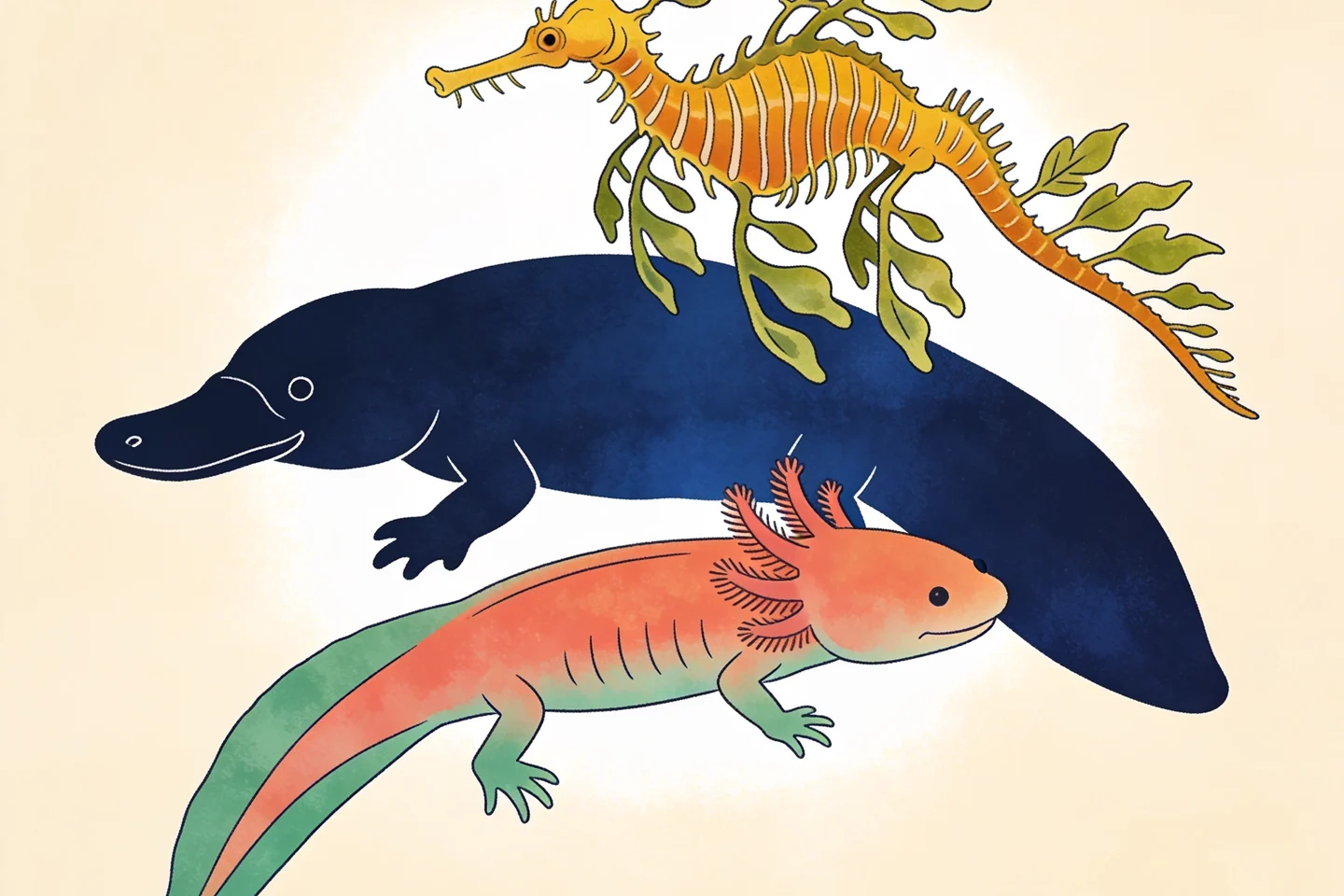
Meet the Misfits
- Adaptations are nature's problem-solving tools
- Life evolves in strange and surprising ways
Look around the natural world and you'll see animals that look like they belong in a fantasy novel.
These strange features are actually clever tools for staying alive, helping creatures find food or hide in plain sight.
We're going to explore the bizarre ways life has changed to thrive in the toughest corners of our planet.
The Shape-Shifting Mimic
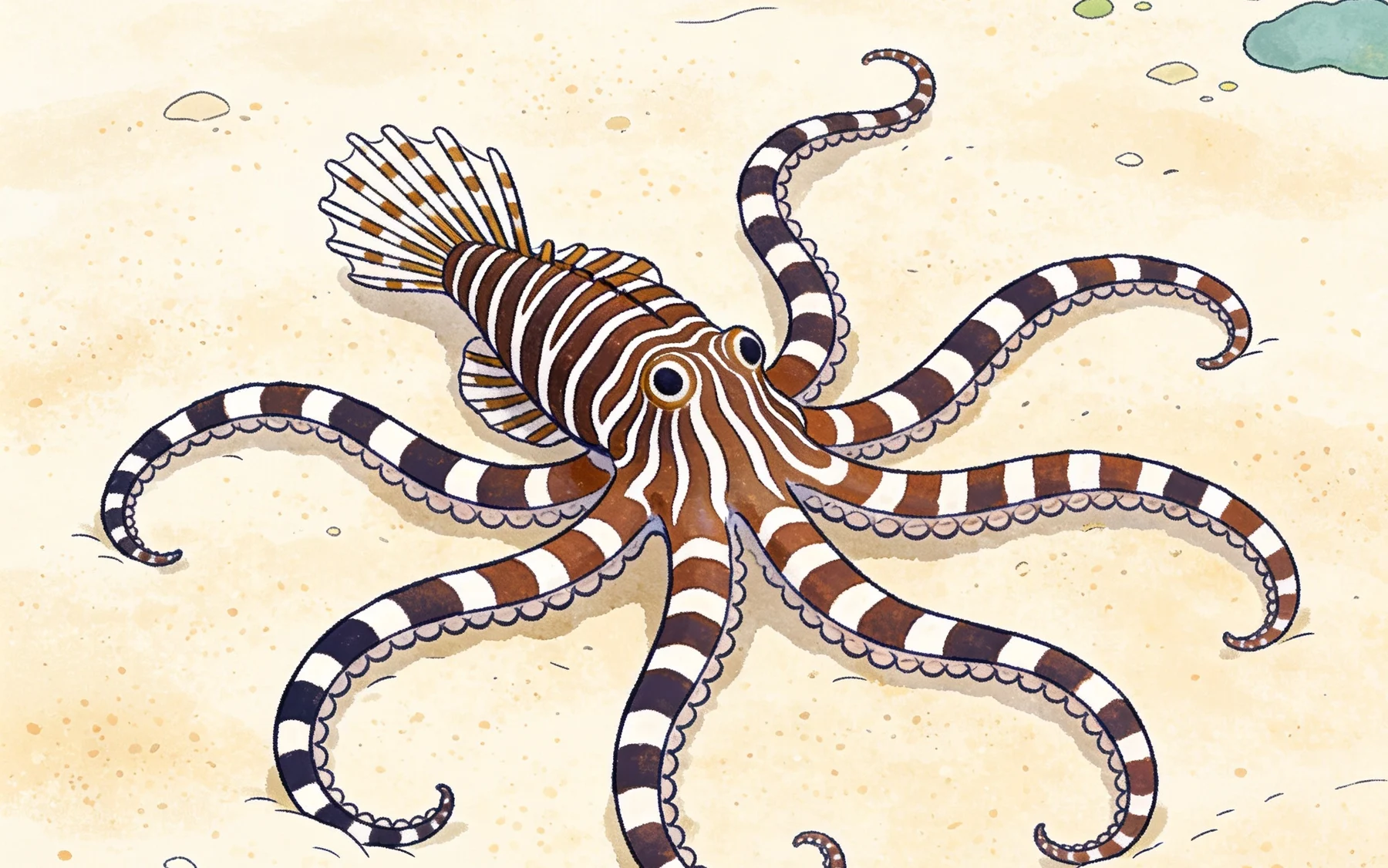
- Tiny cells change color instantly
- A body with no bones
- Acting like dangerous predators
Imagine meeting a creature that can change its entire look in a blink. The mimic octopus uses millions of tiny skin cells called chromatophores to transform its appearance.
These cells work like little, colorful balloons that stretch or shrink to create patterns. It can look like speckled sand one second and striped skin the next.
Its true secret is a body with no bones at all. This lets the octopus fold, stretch, and tuck its arms into shapes that don't even look like an octopus anymore.
It's quite deliberate. When a predator approaches, the octopus might hide its body and drag two arms to look like a venomous sea snake to scare them away. This amazing mix of flexible acting and color-shifting makes it one of the most clever survivors in the ocean.
The Forever Jellyfish
- Reverts to a juvenile state when stressed
- Cells transform into different types
- Repeats its life cycle indefinitely
Imagine if you could just decide to be a toddler again whenever life got too stressful. That's exactly what this tiny jellyfish does when it's sick or injured.
Instead of dying, it sinks to the ocean floor and turns back into a blob of tissue called a polyp. It's like a butterfly turning back into a caterpillar.
This happens through a rare trick called transdifferentiation. Its specialized cells actually transform into entirely different types of cells to rebuild its body.
Once it's a polyp again, it can grow into a new colony and eventually bud off into more jellyfish, starting the clock at zero.
Because it can do this over and over, it's biologically immortal. It's found a way to effectively cheat the aging process forever.
The octopus uses special cells called chromatophores to change its appearance, while the jellyfish uses transdifferentiation to reset its life cycle.
Nature's Little Engineer
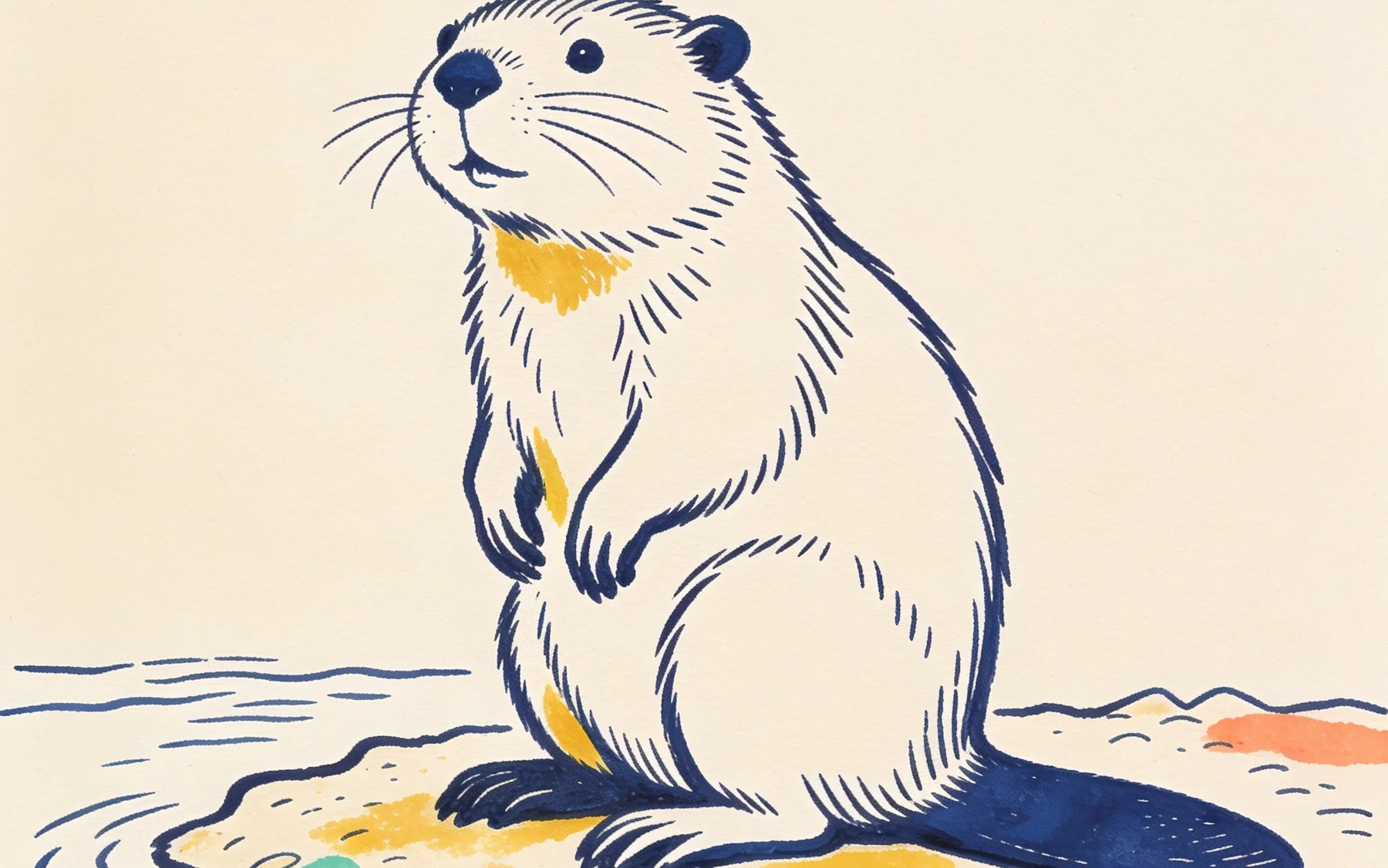
- Iron-strong orange teeth
- Multi-purpose flat tail
- Built-in diving gear
- Landscape-changing dams
Look at the beaver. It might seem a bit clumsy on land, but this animal is actually one of nature's most skilled architects.
Those famous front teeth are reinforced with iron. That is why they are orange and strong enough to fell entire trees.
Their flat, leathery tail serves as a heavy-duty rudder in the water and a warning signal when slapped against the surface.
They also have webbed back feet for swimming and oily fur that keeps their skin dry even in the coldest ponds.
When they build dams, they transform simple streams into lush wetlands that support hundreds of other plants and animals.
The Smiling Salamander
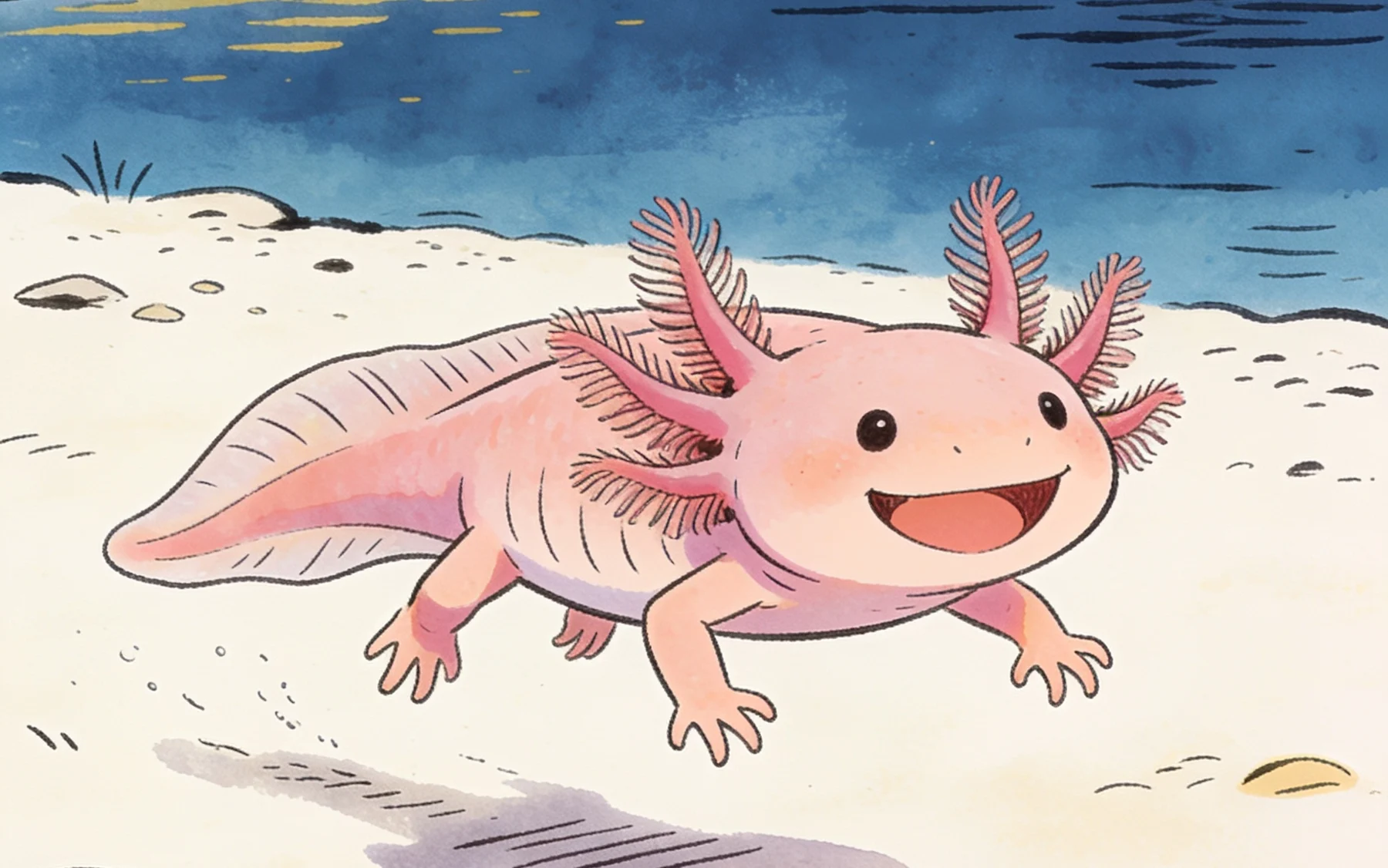
- Regrows limbs and organs
- Heals without scarring
- Remains a larva for life
Meet the axolotl. It looks like a pink, smiling cartoon, but it hides a biological superpower that doctors would love to copy.
If this little creature loses a leg, it doesn't just heal over. It grows a brand new limb, complete with bones and nerves, in just a few weeks.
It isn't just about legs. They can actually repair their own hearts, spinal cords, and even parts of their brains.
When they finish healing, you can't even tell where the injury was. They don't have any scars, which is something almost no other animal can do.
Most salamanders eventually grow up and move to land, but the axolotl keeps its feathery gills and stays underwater its whole life. It is a permanent teenager with the healing powers of a superhero. We are still learning so much from their unique way of life.
Beavers are known as ecosystem engineers for creating habitats that support many species, while axolotls provide valuable medical insights through their ability to perfectly regenerate lost tissue.
The Beauty of Difference
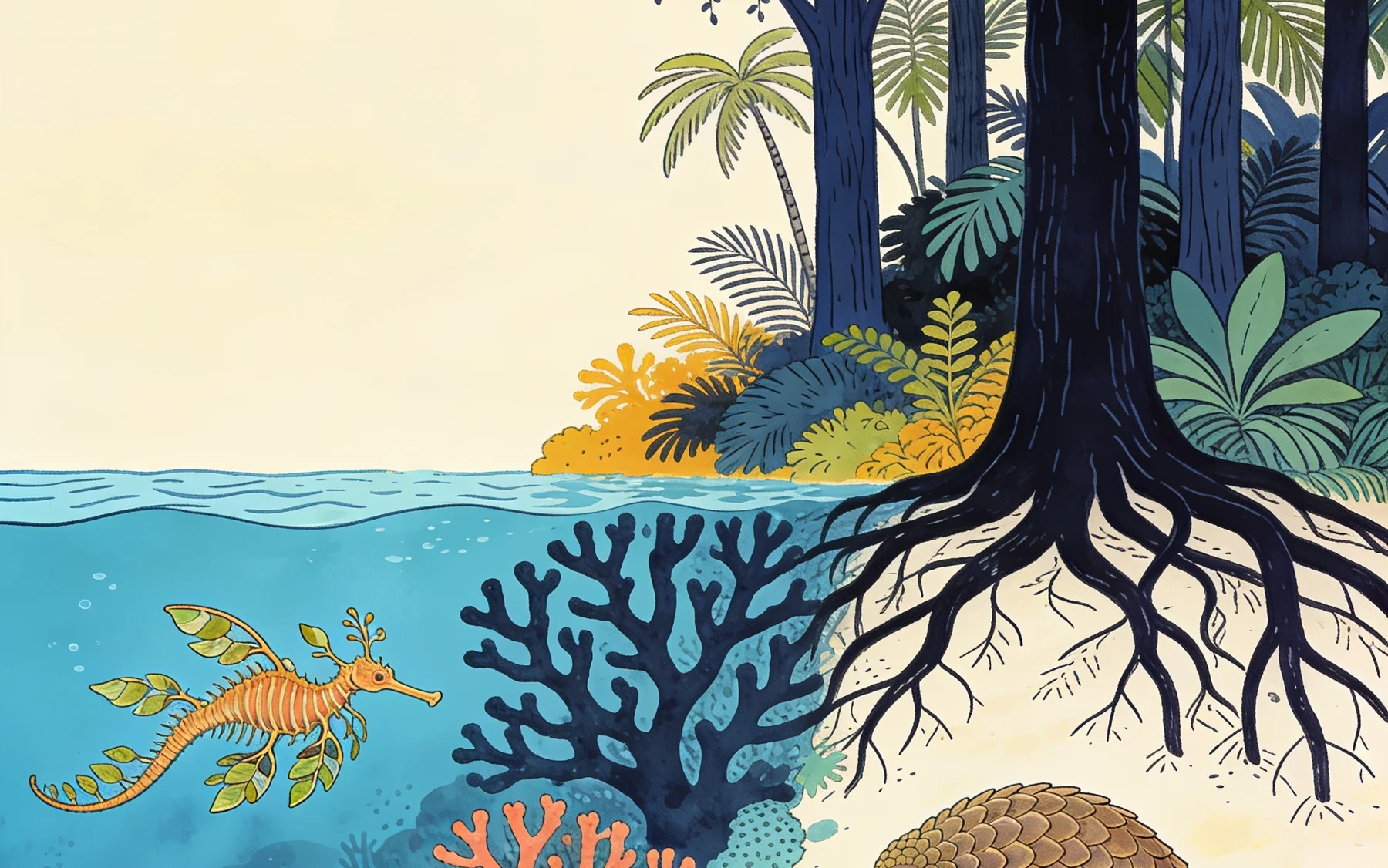
- Specialized traits ensure survival
- Biodiversity maintains ecosystem health
- Conservation protects unique wonders
We've seen some truly wild designs today, from glowing tails to see-through skin.
Each of these strange features is a clever answer to a tough survival question. Without these specific tools, these animals simply couldn't exist in their unique homes.
It's a big deal because every living thing acts like a vital piece in a giant puzzle. Even the oddest creature helps keep their entire ecosystem healthy and balanced for everyone else.
If we lose these extraordinary habitats, we lose the masterpieces that live there forever. Taking care of their homes is how we make sure these wonders stay part of our world. The more variety we find in nature, the stronger and more resilient our planet becomes.
Sources
Created by Curio, the Curious Fit Mind AI tutor, and screened automatically for safety. For further reading, these references cover the same subject:
- Immortal jellyfish: The secret to cheating death · Natural History Museum
AI-generated lesson. See disclaimer.
You just read it.
Curio can teach this one out loud too, illustrated and narrated, with quick checks along the way.