Our Remarkable Outer Shield: A Tour of Your Skin
Discover how your body’s largest organ protects you, senses the world, and keeps you perfectly balanced.
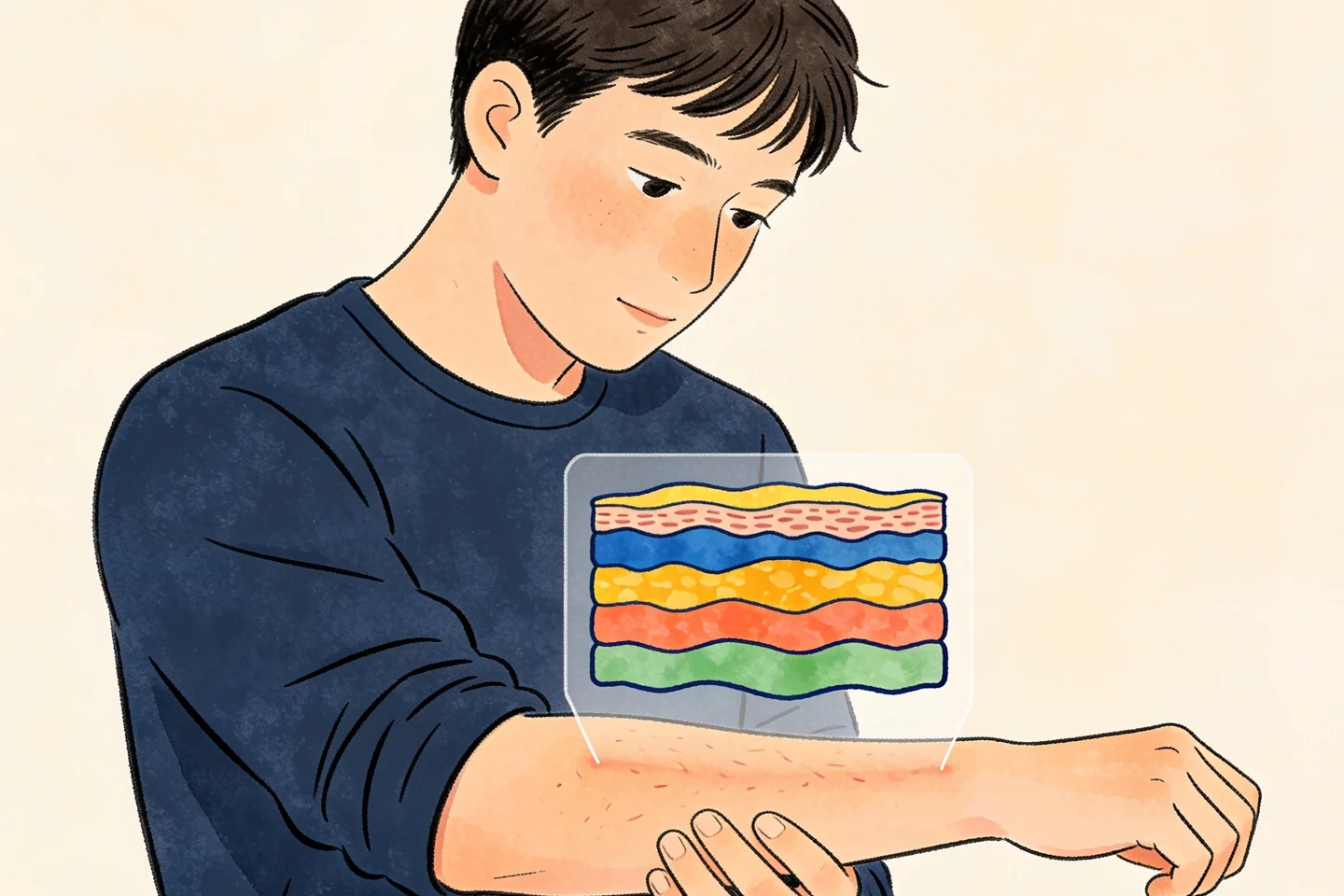
Meet Your Body's Guardian
- The body's largest organ
- A multitasking powerhouse
Take a quick look at your hands and arms. You're looking at a living, breathing suit of armor that covers every inch of you.
It might seem like just a wrapper, but your skin's actually the largest organ you own. It weighs about twice as much as your brain and covers almost two square meters.
We'll explore how this amazing shield blocks out germs, manages your temperature, and keeps all your important parts right where they belong.
The Three-Story Suit
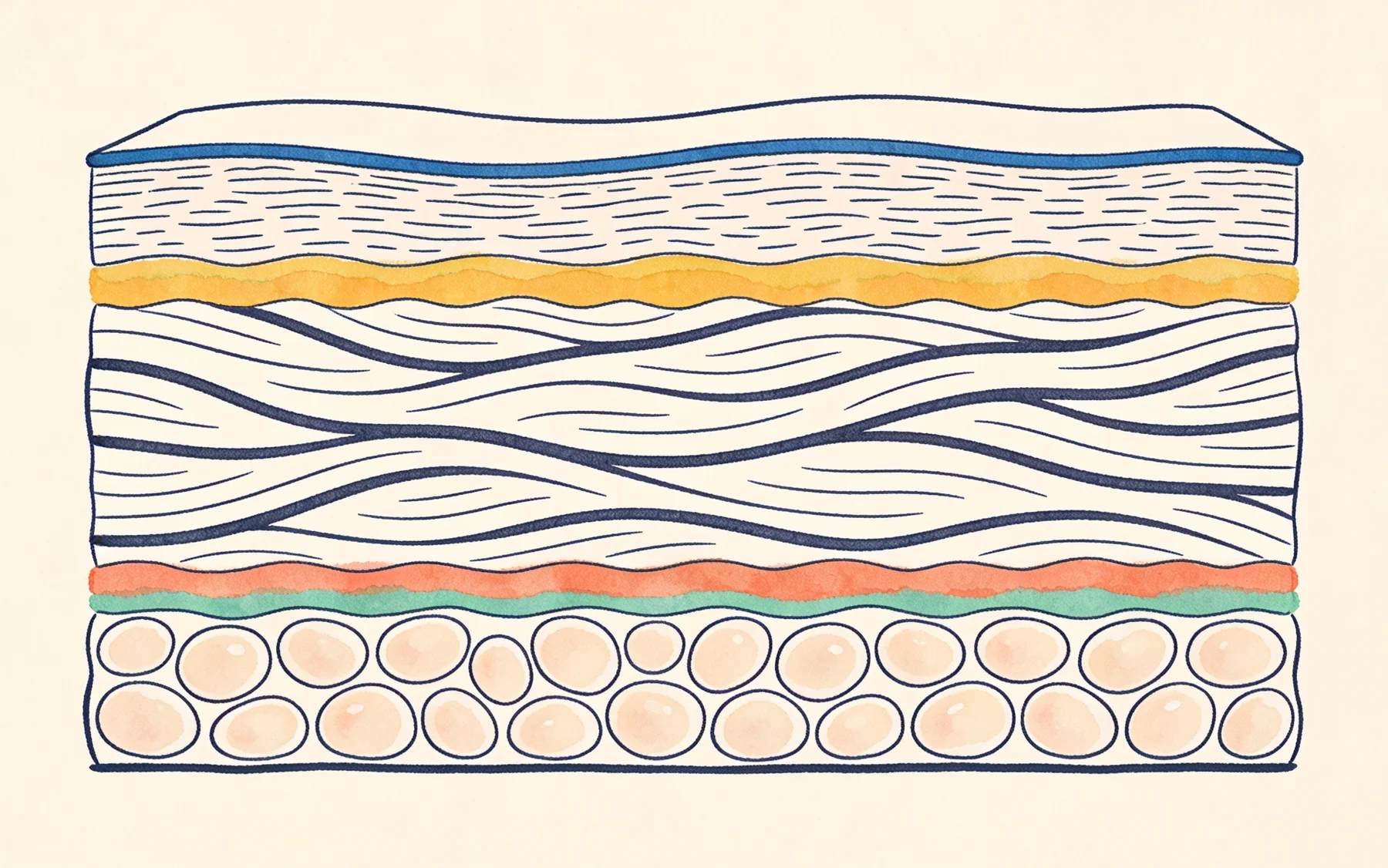
- The epidermis provides a waterproof barrier
- The dermis adds strength and flexibility
- The hypodermis offers padding and warmth
Think of your skin like a custom, three-story suit you wear every single day. Each layer has a specific job to keep you safe and comfortable.
The top floor is the epidermis. It's your waterproof shield that blocks germs and keeps your body from drying out.
That's where the dermis comes in. It's a thick, springy layer filled with sturdy fibers that give your skin its strength and stretch.
The basement is the hypodermis. This layer is mostly fat, helping you stay warm while acting as a shock absorber for your bones and muscles. Together, these three layers create a flexible, living armor that protects everything inside you.
Your Personal Suit of Armor
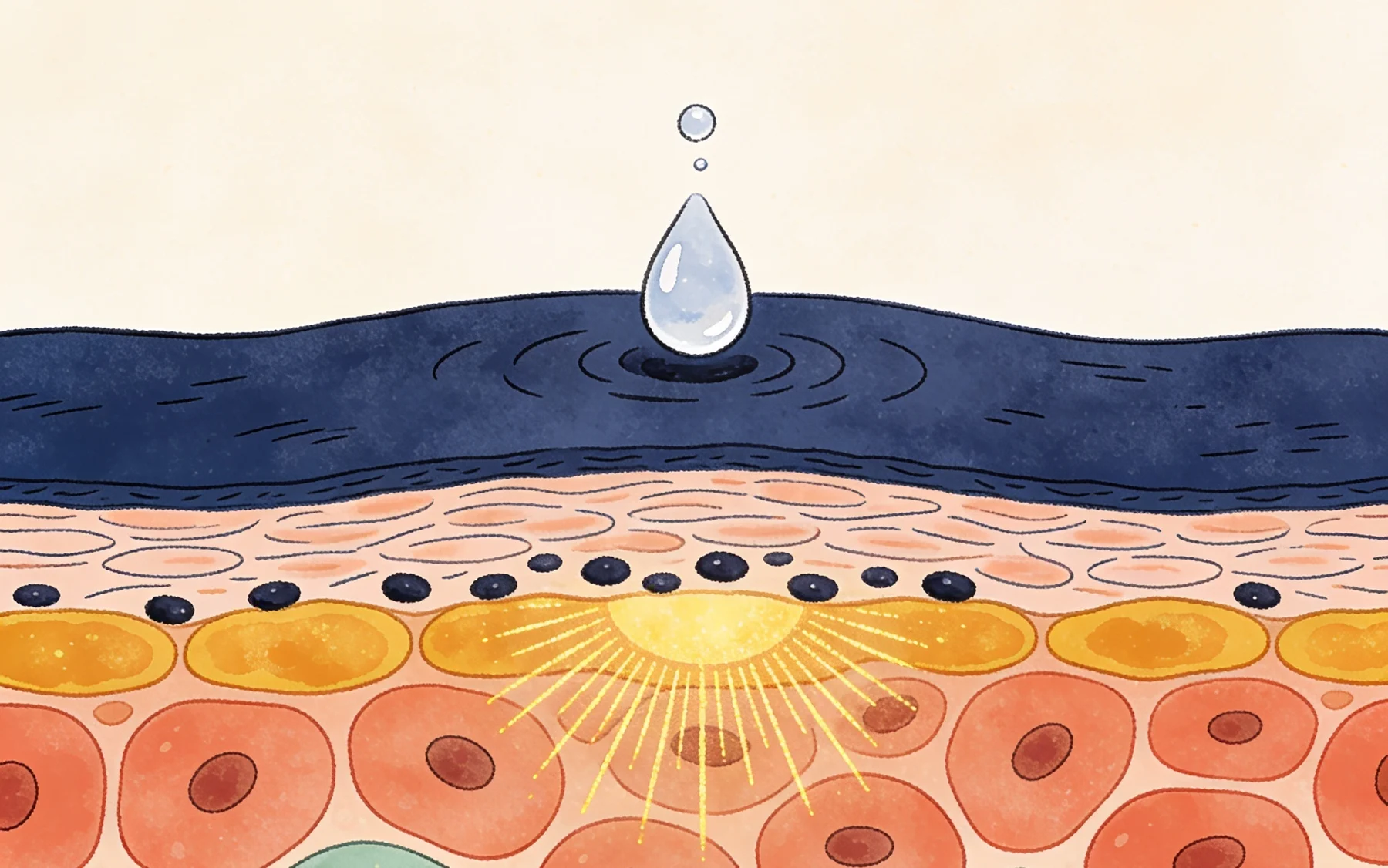
- Blocks harmful bacteria and germs
- Locks in essential body moisture
- Deflects damaging UV radiation
Think of your skin as a high tech security system that never sleeps. It is the first line of defense between you and the rest of the world.
Every single day, your skin acts like a physical wall that stops microscopic invaders like bacteria and viruses from getting inside. Without this tough layer, even a tiny speck of dust could cause a major problem.
It is also an expert at keeping your insides hydrated by acting as a waterproof seal. If we didn't have this barrier, the water inside our bodies would simply evaporate into the air.
Finally, your skin produces a special pigment called melanin that helps soak up harmful rays from the sun. It is basically a built in layer of sunscreen protecting your deeper cells from damage. It is pretty incredible how one thin layer manages to do so much heavy lifting to keep you safe and healthy.
The epidermis is the top layer that protects you from the outside world and holds your skin's pigment.
The World at Your Fingertips
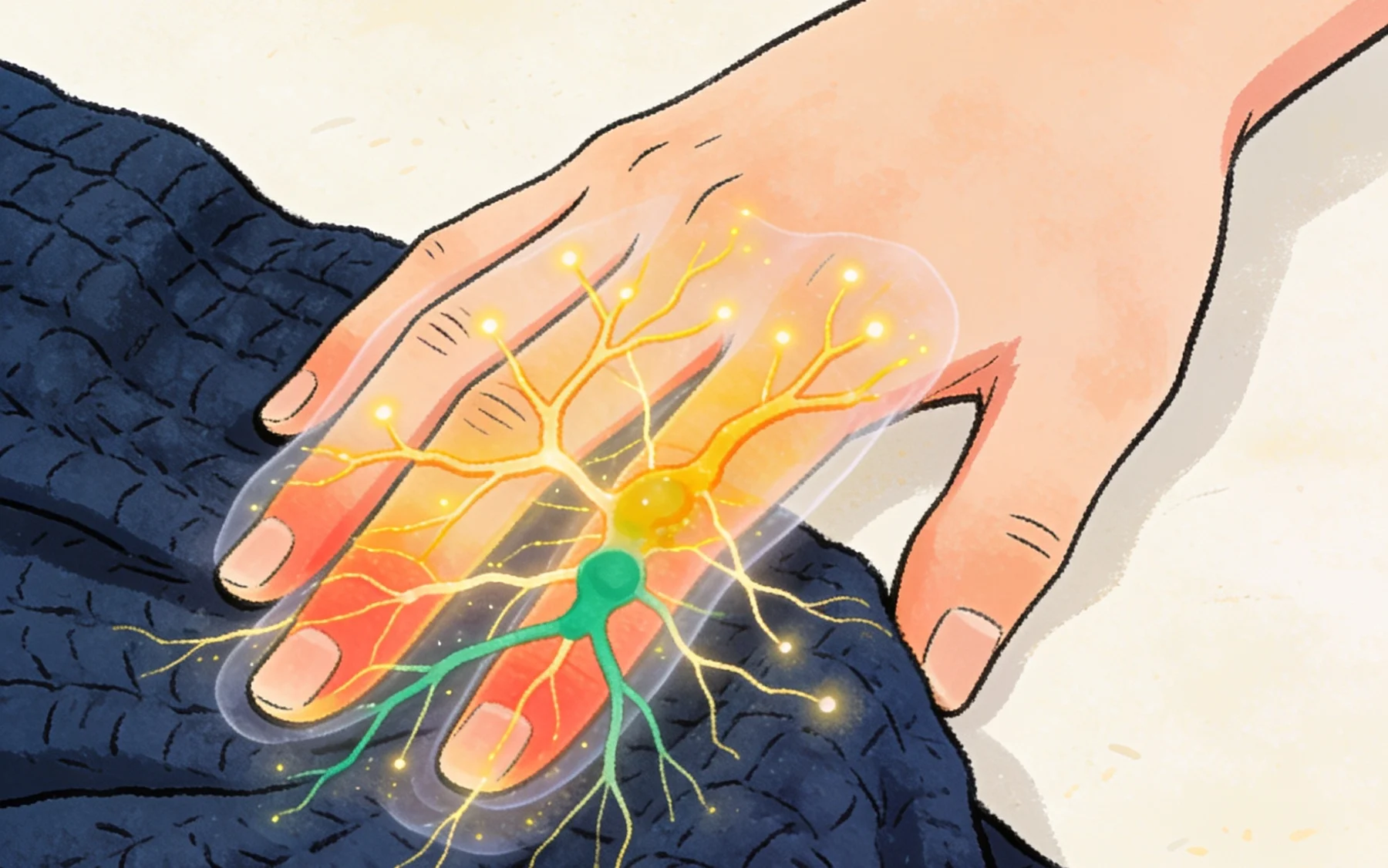
- Specialized receptors for texture and pressure
- High nerve density in hands and face
- Sensors for temperature and pain
Think about the last thing you touched. Your skin is full of tiny scouts that are constantly reporting back to your brain.
These scouts are specialized nerve endings. Some only notice light textures like silk, while others respond to deep pressure and vibrations.
You have thousands of these sensors packed into your fingertips. That is why you can tell a dime from a penny just by feeling them in your pocket.
Not quite, because your back or elbows have far fewer sensors than your hands. Your brain prioritizes the areas you use most to explore the world.
Different nerves focus on temperature and pain. They act like a built-in alarm system that tells you to pull your hand away before you get burned. It is an incredible communication network that keeps you safe and connected to everything around you.
Your Personal Thermostat
- Vessels widen to vent heat
- Sweat glands activate
- Evaporation cools the surface
When you get a bit too toasty, your skin jumps in to handle the thermostat.
First, your brain tells the tiny blood vessels near your surface to widen.
This lets warm blood get close to the air so that extra heat can escape.
Then, your sweat glands start pumping water out through your pores.
As that moisture turns into vapor, it whisks the heat away from your body.
Your skin releases sweat which carries heat away from your body as it turns into vapor on your surface.
The Ultimate Protector

- Multitasking shield
- Constant self-renewal
- Nurturing your barrier
We have spent some time looking at the layers, but it is good to step back and see the big picture. Your skin is a masterpiece of biology that never takes a day off.
It acts as your waterproof coat, your personal thermostat, and your first line of defense against the outside world. It is the only organ that keeps the inside in and the outside out.
The most incredible thing is that your skin is constantly recreating itself from the bottom up. It is a work in progress that is never truly finished.
In about a month, you have grown a completely new outer layer as old cells flake away and fresh ones rise to the surface.
To keep this shield strong, you only need to provide the basics like plenty of water, shade from the sun, and a little bit of kindness. You are wearing a living miracle every single day. Take a moment to appreciate everything it does to keep you safe and healthy.
Sources
Created by Curio, the Curious Fit Mind AI tutor, and screened automatically for safety. For further reading, these references cover the same subject:
- Anatomy of the Skin · National Cancer Institute
- 5.1 Layers of the Skin - Anatomy and Physiology 2e · OpenStax
- Human skin · Wikipedia
AI-generated lesson. See disclaimer.
You just read it.
Curio can teach this one out loud too, illustrated and narrated, with quick checks along the way.